.jpg)


Growing Minds — Stages of Learning from Early Childhood through the Teen Years
- Anna

- 4 days ago
- 3 min read

Learning is a continuous, changing process shaped by biology, environment, relationships, and experience. From newborn curiosity to adolescent abstract thinking, each stage brings predictable milestones, shifts in how children learn best, and opportunities for caregivers and educators to support healthy development.
Infancy (0–2 years): Sensory exploration and attachment
What learning looks like: Rapid neural growth; learning through all senses; cause-and-effect beginnings (e.g., shake a rattle, sound follows); social learning via facial expressions and voice.
Key domains: Sensorimotor development, early object permanence, attachment formation, babbling and first words.
How to support: Responsive caregiving, lots of talking and naming, safe objects to explore, simple games (peek-a-boo), frequent physical touch and routines.
Toddlerhood (2–3 years): Language explosion and emerging autonomy
What learning looks like: Vocabulary growth accelerates; start of symbolic play; improving motor skills; strong assertions of independence (“no!”).
Key domains: Language development, pretend play, early problem-solving, self-help skills.
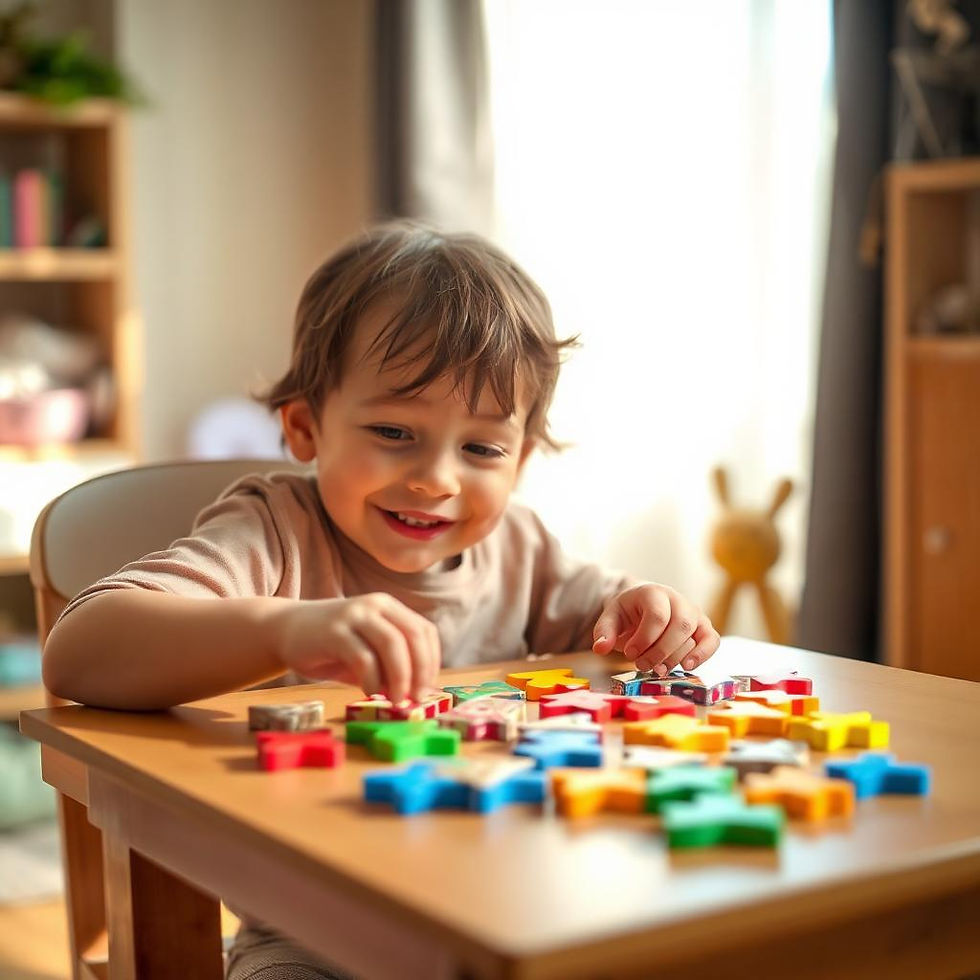
How to support: Offer choices, label emotions and objects, encourage play with peers, provide simple puzzles and stacking toys, maintain predictable routines for security.
Preschool (3–5 years): Imaginative play and early self-regulation
What learning looks like: Rich pretend play, better attention spans, dramatic language growth, beginnings of counting and letter recognition.
Key domains: Social-emotional skills (sharing, turn-taking), symbolic thought, fine motor skills for drawing and self-care.
How to support: Provide open-ended play materials (blocks, dress-up), read daily and ask questions, introduce basic rules and consistent limits, encourage cooperative play and storytelling.
Early School Years (6–8 years): Skill building and concrete learning
What learning looks like: Mastery of reading fundamentals, basic math operations, learning by doing; thinking is concrete and linked to direct experience.
Key domains: Literacy and numeracy, classroom routines, peer friendships, rule-based games.
How to support: Hands-on math and reading activities, practice routines and homework habits, praise effort, support friendships and problem-solving, use clear expectations and feedback.
Middle Childhood (9–11 years): Logical thinking and social comparison
What learning looks like: Improved logical reasoning about concrete events, stronger memory and attention, growing metacognitive skills (planning and monitoring learning).
Key domains: Academic skill consolidation, more complex social networks, moral reasoning begins to deepen.
How to support: Teach study and organizational strategies, give meaningful responsibilities, encourage goal-setting, provide opportunities for teamwork and extracurricular exploration.
Early Adolescence (12–14 years): Abstract thought emerges, identity begins
What learning looks like: Transition to abstract and hypothetical thinking, heightened self-consciousness, stronger influence of peers, search for autonomy.
Key domains: Abstract reasoning, identity exploration, emotional intensity, sensitivity to social status.
How to support: Offer choices and collaborative problem-solving, foster critical thinking and discussion, maintain clear boundaries while allowing independence, support extracurricular interests and mentorship.
Middle to Late Adolescence (15–19 years): Identity, future planning, and advanced reasoning
What learning looks like: Mature abstract and systemic thinking, planning for future education/career, refined moral reasoning and identity formation.
Key domains: Complex problem-solving, self-regulation, vocational and social identity, long-term goal orientation.
How to support: Encourage reflection and autonomy, expose teens to real-world decision-making, provide guidance on future options (college, trades), model healthy relationships and emotional regulation.
Cross-cutting principles for all stages
Relationship first: Secure, responsive relationships are the foundation for every stage of learning.
Scaffold learning: Provide support just beyond the child’s current level and gradually remove it as competence grows.
Play matters: Play drives cognitive, social, and emotional development across ages.
Growth mindset: Praise effort and strategies, not just outcomes.
Physical health: Sleep, nutrition, movement, and emotional safety profoundly affect learning capacity.
Individual variability: Timelines vary—watch patterns, not single milestones.
Practical tips for caregivers and educators
Read together daily and talk about what you read.
Create a predictable routine that balances structure and free time.
Offer age-appropriate choices to foster independence.
Use real-world contexts (cooking, budgeting, community projects) to teach skills.
Encourage failure as learning: debrief, problem-solve, and try again.
Communicate with teachers and specialists when concerns arise.
Understanding the stages of learning helps adults meet children where they are and guide them toward the next level. With supportive relationships, appropriate challenges, and opportunities for exploration, children grow into capable, curious learners prepared for adulthood.


Comments