.jpg)


How educational hobbies for children can transform child development
- Anna

- Feb 27
- 3 min read
When we think about children's development, we immediately picture school, books, and homework. But have you stopped to consider the power of educational hobbies for children? They are much more than mere pastimes. They are valuable tools that help shape the intellectual, emotional, and social growth of little ones.
Educational hobbies awaken curiosity, stimulate creativity, and foster life-essential skills. Additionally, they make learning fun and natural. Want to know how these hobbies can transform child development? Let's explore that universe together!
Why choose educational hobbies for children?
Choosing educational hobbies for children is an investment in their future. These pastimes go beyond leisure and offer concrete benefits. For example, activities such as reading, gardening, music, and logic games help develop reasoning, concentration, and motor coordination.
Moreover, educational hobbies foster autonomy. When a child chooses an activity they enjoy, they learn to organize themselves, persevere through challenges, and celebrate their achievements. This strengthens self-esteem and a sense of responsibility.
Have you noticed how a child who plays a musical instrument or enjoys assembling puzzles shows more focus and patience? These are clear examples of how educational hobbies can positively influence behavior and learning.

Practical examples of educational hobbies for children
Now that we understand the importance, let’s talk about practical examples. How about encouraging your child to try some of these activities?
Daily reading: Reading stories helps expand vocabulary, improves comprehension, and stimulates imagination. Set aside a time of day to read together with the child.
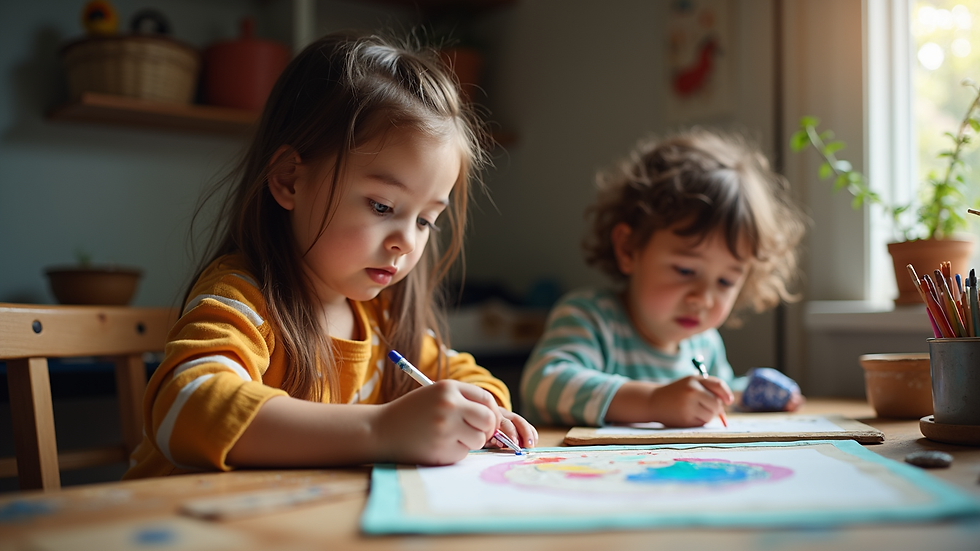
Arts and crafts: Painting, drawing, and modeling develop creativity and fine motor coordination.
Gardening: Caring for plants teaches about nature, responsibility, and patience.
Board games and puzzles: They stimulate logical reasoning, strategy, and teamwork.
Music and dance: Besides being fun, they improve memory, rhythm, and body expression.
These activities can be adapted to different ages and interests. The important thing is that the child feels motivated and engaged.
How to integrate educational hobbies into a child's routine
Integrating educational hobbies into the routine may seem challenging, but with a few simple tips, it becomes much easier. First, observe the child's interests. What do they like to do? Which activities spark their curiosity?
Then, create a welcoming and organized environment for those activities. A corner with accessible and comfortable materials already makes a difference. Set regular times, but without pressure. The goal is for the hobby to be an enjoyable moment.
It is also essential to participate with them. Showing interest, asking questions, and praising the child's efforts strengthens the bond and encourages the continuation of the hobby.
Have you tried turning a play moment into a learning opportunity? It can be as simple as telling stories about the characters in a game or explaining the origin of the plants in the garden.
Emotional and social benefits of educational hobbies
Besides cognitive development, educational hobbies have a profound impact on children’s emotional and social aspects. They help control anxiety, develop patience, and cope with frustrations.
When a child takes part in group activities, such as games or workshops, they learn to share, respect rules, and work as a team. These skills are essential for social coexistence and future success.
Have you noticed how a child with a hobby tends to be more self-confident and communicative? This happens because they feel capable and valued, which strengthens their self-esteem.
Promoting continuous learning through educational hobbies
Learning doesn't need to be limited to school. Educational hobbies for children are a way to keep the mind active and curious every day. They help create a routine of continuous learning that accompanies the child through all stages of life.
For this, it is important that parents and caregivers stay attentive and support the children's discoveries. Encourage the pursuit of new knowledge, experimentation, and creativity.
If you want to learn more about how to create a stimulating environment for child development, I recommend visiting the Momsnet site, which offers practical advice and a welcoming community for families.
How about starting today to explore an educational hobby with your child? Small steps can make a big difference in their future.
With educational hobbies, child development takes on new meaning. They transform learning into an adventure full of discoveries and growth. Let's encourage our little ones to explore, create, and learn every day!


Comments