
1
🗣️
Narrate everyday life
Say out loud what you're doing, even with tiny babies: “now I'm changing your diaper”, “we're heading to the car”. This exposes your child to far more vocabulary than it seems.
Every child speaks at their own pace — some talk early and clearly, others take longer and "explain" with gestures until it all clicks at once. Knowing what to expect by age helps you tell normal variation apart from something worth having checked.
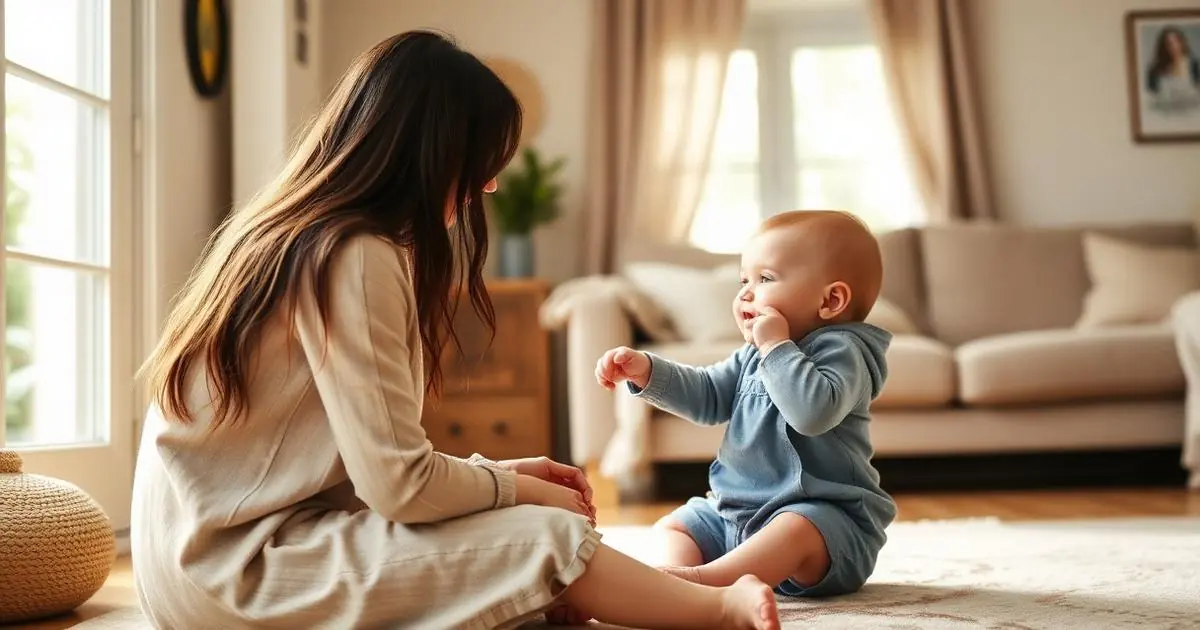
These milestones are general references, not strict rules — what matters is watching progress over time, not comparing to a single isolated point.
Cooing, repeated babbling (“bababa”), reacting to sounds and their own voice, first words possible around 1 year (mama, dada, more).
A handful of words, understands far more than they say, points to ask for or show things.
Vocabulary explosion, starts combining two words (“want water”, “more juice”).
Short sentences, uses pronouns (I, you), strangers can understand most of what they say.
Fuller sentences, tells simple stories about their day, asks constant questions.
Speaks clearly most of the time, tells sequential stories, masters basic grammar (with a few expected slip-ups).
If any of these sound familiar, it's worth talking to the paediatrician — a referral to a speech therapist is common and not a reason for alarm; the earlier the support starts, the better the response.
Say out loud what you're doing, even with tiny babies: “now I'm changing your diaper”, “we're heading to the car”. This exposes your child to far more vocabulary than it seems.
After asking something, silently count to 5 before answering for them. Young children need more time than adults usually give to process and form a response.
If they say “big dog”, respond “yes, the dog is really big and fluffy!” — this models correct speech without sounding like a correction, which can discourage them from trying.
Beyond vocabulary, reading teaches sentence structure and narrative sequence. Let your child “read” from the pictures even before they know the words.
Children's songs help memorise language patterns and rhythm, and tend to be more motivating than direct repetition drills.
Videos and cartoons don't replace interaction — language develops mainly through real back-and-forth with another person, with pauses, response and eye contact.
Children raised in bilingual homes may take a bit longer to "unlock" speech, but that's not a language delay — it's the brain organising two systems at once. In the medium term, bilingualism doesn't harm language development.
No. Children raised in bilingual homes may take a bit longer to “unlock” speech, but that's not a language delay — it's the brain organising two systems at once. In the medium term, bilingualism doesn't harm language development.
Every child has their own pace, and some variation is expected. But if vocabulary is very limited at age 2, or two words aren't being combined yet, it's worth checking with the paediatrician.
No — quite the opposite. The earlier the support starts, the better the response. A referral to a speech therapist is common and not a reason for alarm.
Correcting directly can discourage them from trying to speak. It's more effective to expand on what they said, repeating it correctly and naturally, without pointing out the mistake.
This content is informational and does not replace an evaluation by a paediatrician or speech therapist, who are the right professionals to investigate language delays.
Activities and guides to follow your child's development.
More reading on the same topics.
Motor, language, cognitive and social milestones stage by stage — with clear red flags and what to do at home, no comparisons.
Why sharing only clicks after age 3, how to mediate conflict without playing judge, and what to do about shyness and biting — ages 1 to 7.
Why boredom isn't the enemy, what each kind of play teaches, and how to balance the week by age (1–8).
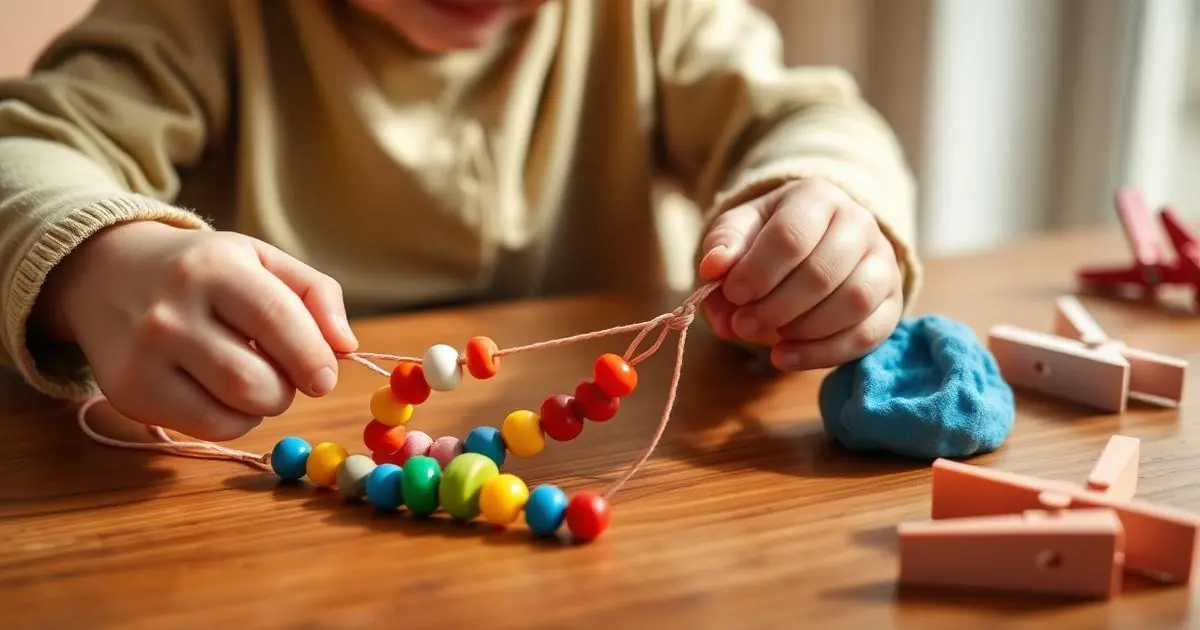
Age-by-age activities (1–6) and everyday tasks that build hand strength long before the notebook.

Every age brings predictable milestones and new ways of learning. A guide to support each stage with love.
No spam. Just good ideas for you and your little one.