
0–6 months
- Holds head up and pushes chest up during tummy time
- Tracks objects with the eyes and smiles back
- Babbles sounds (ba, ga) and reacts to familiar voices
- Brings hands to mouth and reaches for nearby objects
Every child has their own pace — milestones are windows, not tests. This guide maps what usually shows up at each stage (motor, language, thinking and social) so you can follow along calmly and know when it's worth talking to your pediatrician.
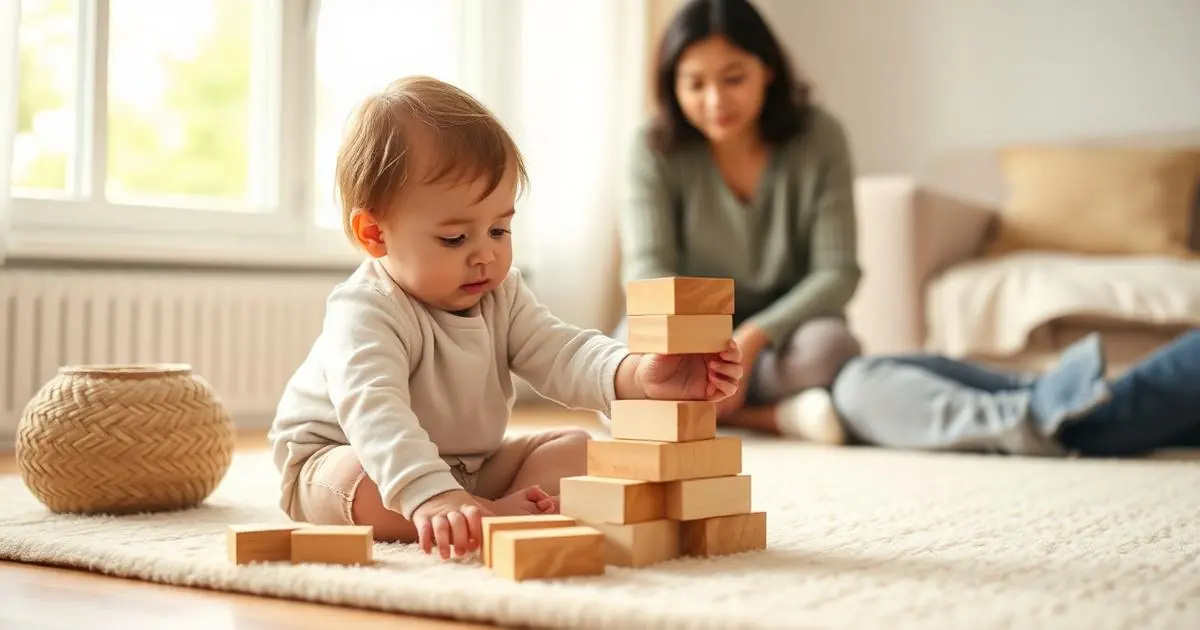
Two healthy children can start walking at 10 and at 16 months — and both are within range. What matters isn't the exact date but the sequence: each skill pulls the next one along, and progress keeps happening month after month.
Use the list below as an observation map, never as a pass-or-fail checklist. Note what your child already does and bring those notes to routine check-ups — that's worth far more than any comparison with the neighbour's kid.
None of these ideas need expensive materials — they all fit the routine you already have.
Describe what's happening ('I'm turning on the warm water'). Language grows with exposure, not pressure.
Ten minutes of books — even the same book again — build vocabulary and attention.
Floor time, parks, stairs, climbing up and down. The body is the base for every other learning area.
Blocks, dough, cups and water teach cause and effect better than any app.
Knowing what comes next frees up mental energy to explore and learn.
Ask a question, then pause. Silence is where a child organises their answer.
A single item on its own is rarely a problem. Seek guidance when you notice several points, or a loss of skills already gained:
This content is informational and does not replace assessment by a pediatrician or child development professional for your child's specific situation.
Deeper dives into each area of development.
More reading on the same topics.
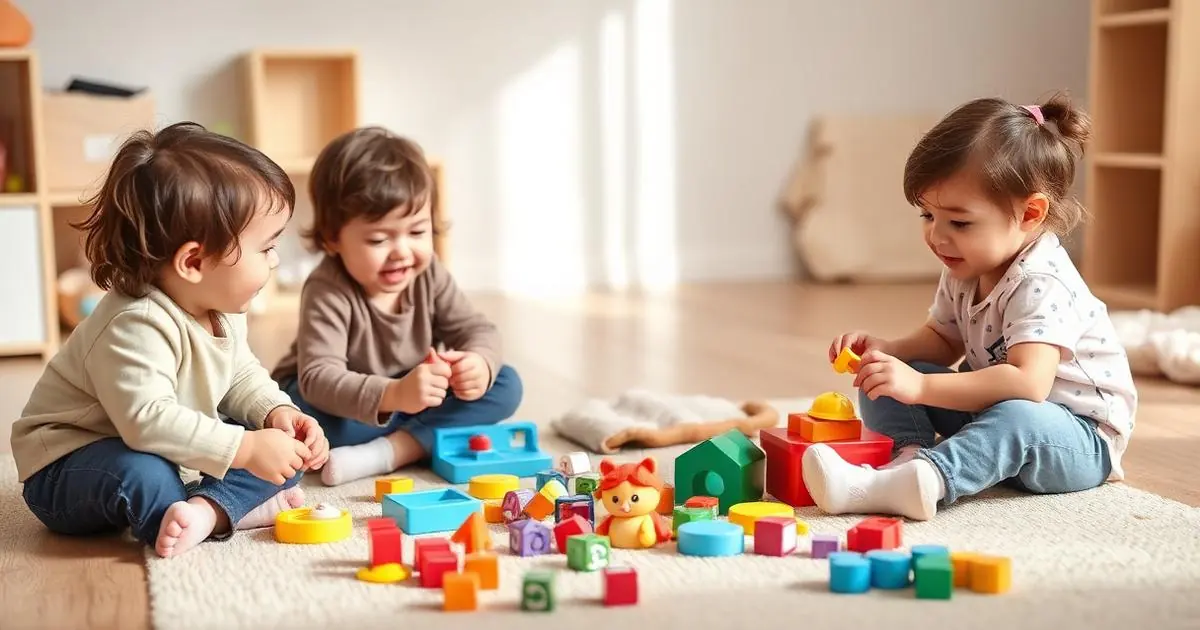
Why sharing only clicks after age 3, how to mediate conflict without playing judge, and what to do about shyness and biting — ages 1 to 7.
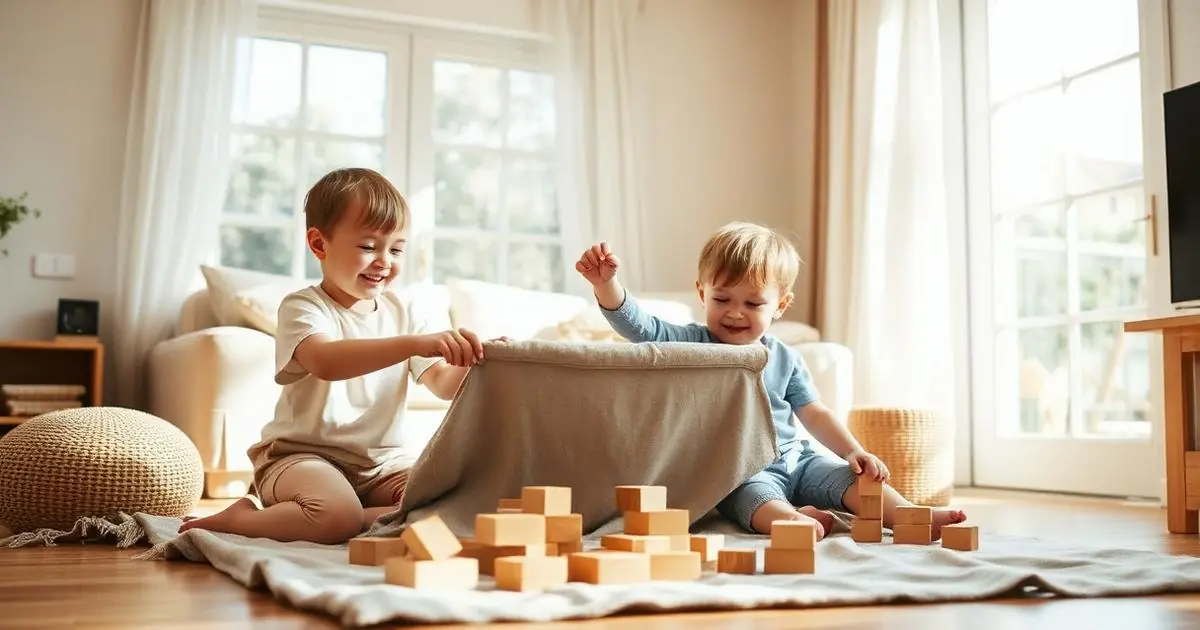
Why boredom isn't the enemy, what each kind of play teaches, and how to balance the week by age (1–8).
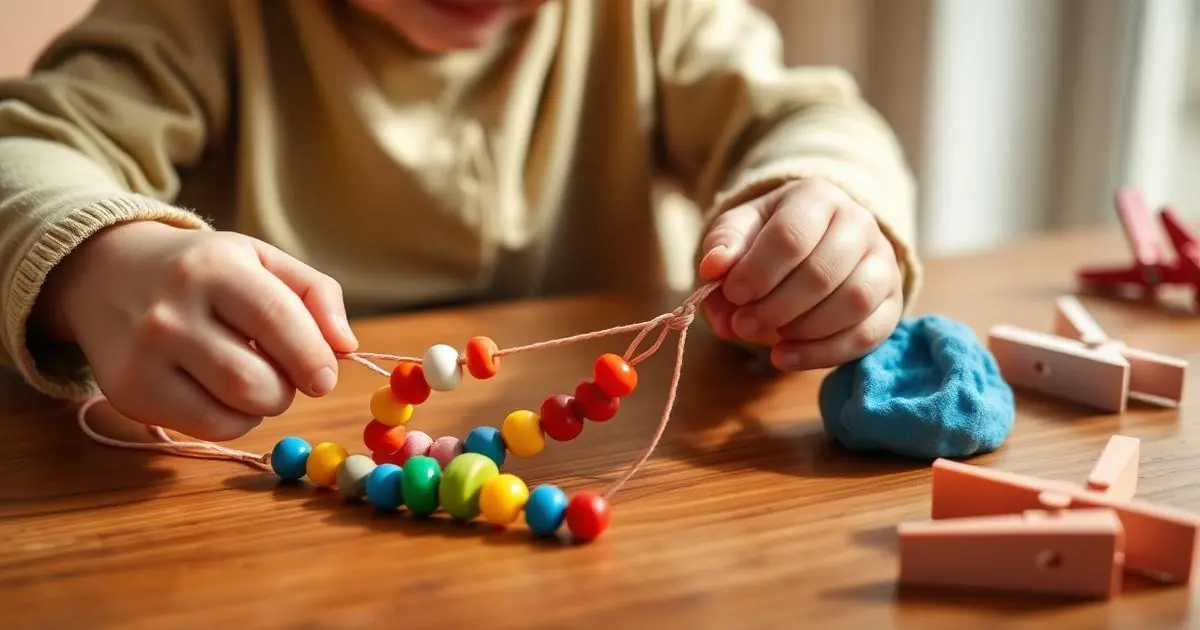
Age-by-age activities (1–6) and everyday tasks that build hand strength long before the notebook.

What to expect at each age, the signs worth checking, and 6 simple everyday ways to encourage speech (ages 0–5).

Every age brings predictable milestones and new ways of learning. A guide to support each stage with love.
Sem spam. Só ideias boas para você e seu pequeno.