
🍼
1–3 years
Prioritize almost entirely free play. At this stage, spontaneous sensory and motor exploration is more valuable than any “class-style” activity.
Between a schedule packed with extracurricular activities and the guilt of "letting the child be bored", many parents wonder: structure their child's time, or leave it freer? The answer isn't picking a side — it's understanding the role of each.
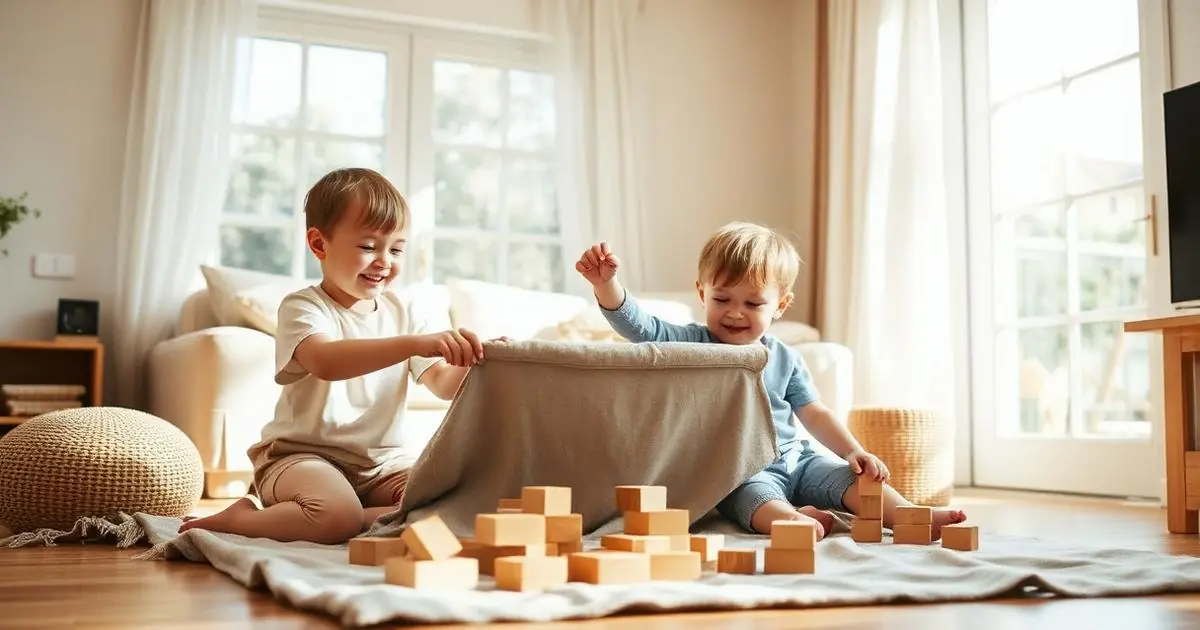
Free play is time with no script set by an adult: the child chooses what to do, how to do it and for how long, with minimal outside interference. It can be pretend play, building with blocks, drawing with no theme, or simply inventing a new game.
It's natural to want to "fix" your child's boredom quickly, but boredom is often exactly the trigger that pushes a child to create, invent, and solve problems on their own. Filling every free minute with adult-organized activities removes precisely that opportunity for the child to build their own initiative.
That doesn't mean structured activities (music lessons, sports, games with rules) have no value — they teach things free play doesn't teach as well, like:
Prioritize almost entirely free play. At this stage, spontaneous sensory and motor exploration is more valuable than any “class-style” activity.
One or two structured activities per week are enough, while keeping plenty of free time on other days.
A few fixed extracurricular activities work well, but it's worth protecting at least some blocks of free time each week, screen-free and unscheduled.
A routine table helps you see, across the week, where the blocks of free time and structured activities are — no need to memorize anything.
This content is for informational purposes, based on general child development recommendations, and can be adapted to each family's specific reality and needs.
Ideas and tools to organize your child's routine.
More reading on the same topics.
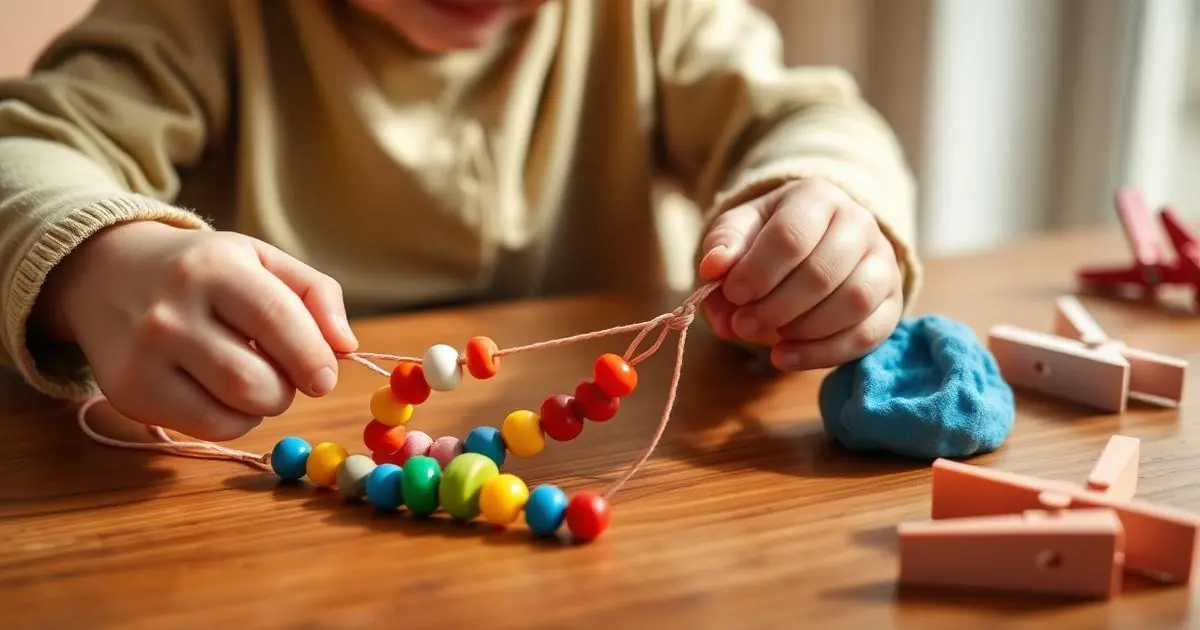
Age-by-age activities (1–6) and everyday tasks that build hand strength long before the notebook.
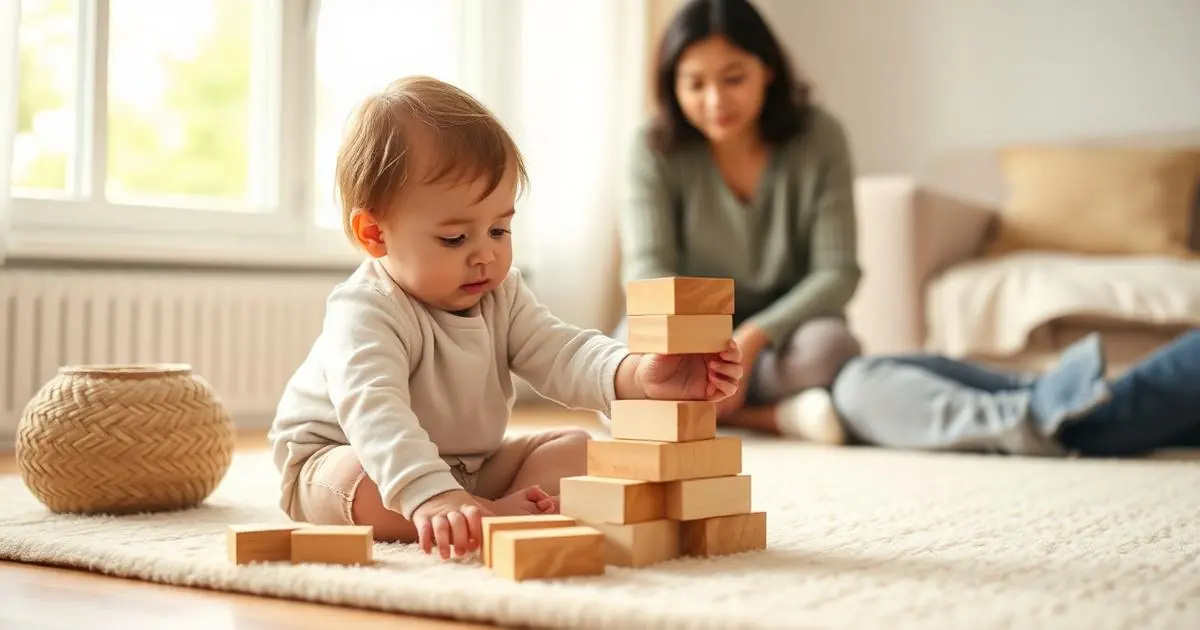
Motor, language, cognitive and social milestones stage by stage — with clear red flags and what to do at home, no comparisons.
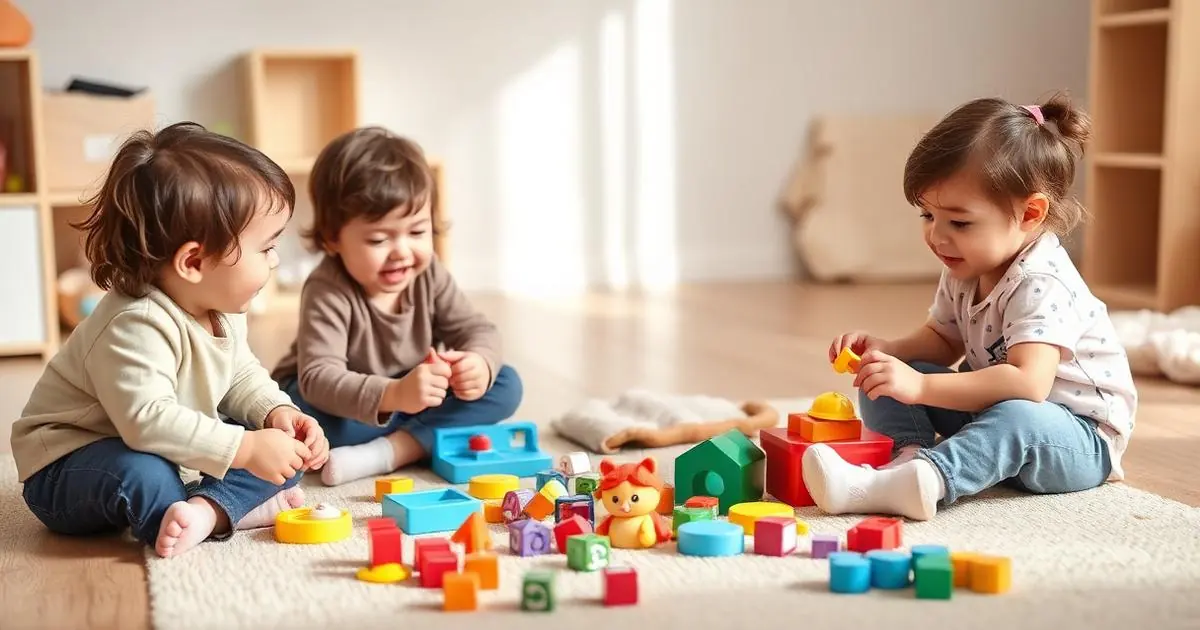
Why sharing only clicks after age 3, how to mediate conflict without playing judge, and what to do about shyness and biting — ages 1 to 7.

What to expect at each age, the signs worth checking, and 6 simple everyday ways to encourage speech (ages 0–5).

Sleep hours by age (0–8), signs of not sleeping enough, a four-step bedtime routine and what to do about night wakings.

Handmade gift ideas by age (1 to 10) and four complete menus so the kids can help cook and celebrate.

What really works at age 3: coloring, tracing, matching and visual perception — with practical routine tips.

Practical ideas by skill — literacy, math, coordination and attention — easy to apply at home.
No spam. Just good ideas for you and your little one.