
🧱
1–2 years
- Stacking large blocks
- Putting objects in and out of containers
- Tearing paper freely (great for pincer strength)
- Playing with soft dough, squeezing and pressing
Before a child can hold a pencil correctly, they need strength and control in the small muscles of the hand. The good news: this skill builds mostly through simple, everyday activities — long before the writing stage.
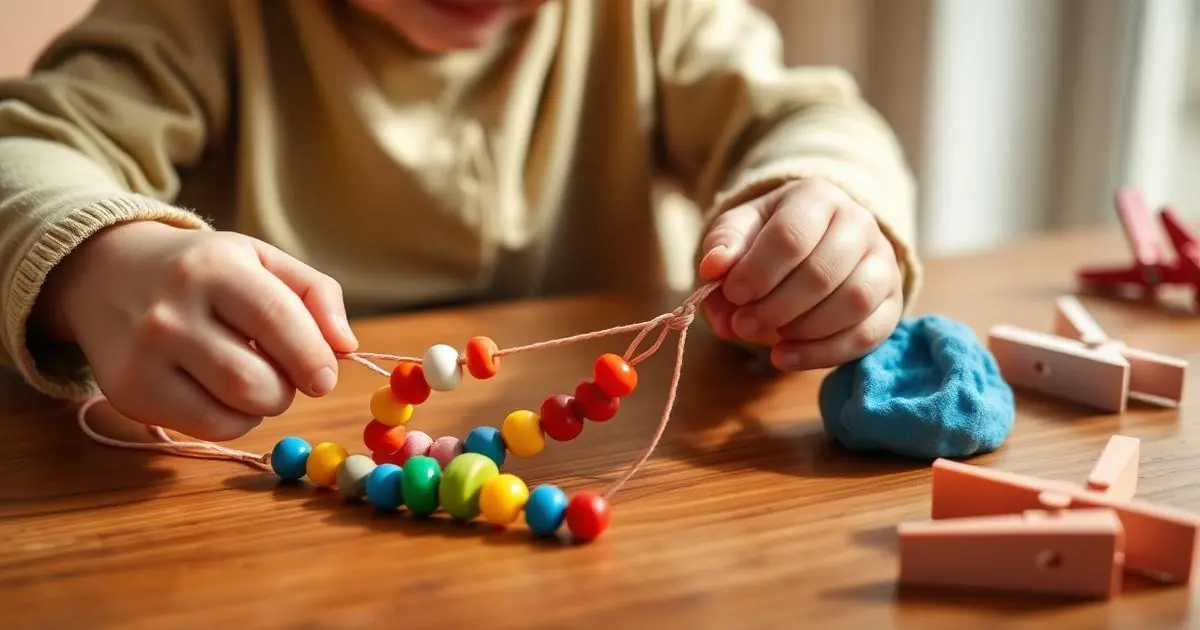
Fine motor skills also power abilities like buttoning clothes, using cutlery, brushing teeth, zipping a jacket and even cutting with scissors — everyday independence skills, not just school skills. Building this foundation calmly makes the later transition to the pencil much easier.
You don't need special materials — many household tasks already build this skill.
Stirring batter, peeling hard-boiled eggs, mashing a banana with a fork.
Buttoning, zipping, pulling on socks — daily precision practice.
Carrying objects carefully, stacking light plates.
Planting seeds, watering with a spray bottle (great for hand strength).
Opening and closing clothespins is a simple, excellent exercise.
Every child develops at their own pace, but seek guidance from a paediatrician or occupational therapist if:
This content is informational and does not replace guidance from a paediatrician or occupational therapist for your child's specific case.
Materials and activities to build the hand before writing.
More reading on the same topics.
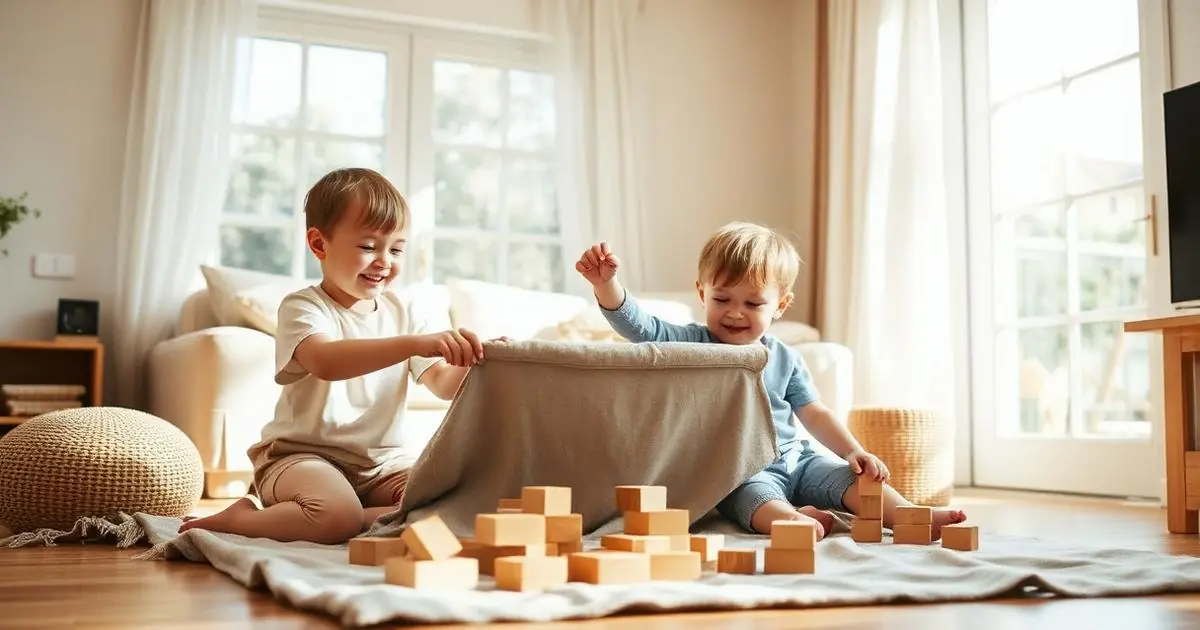
Why boredom isn't the enemy, what each kind of play teaches, and how to balance the week by age (1–8).
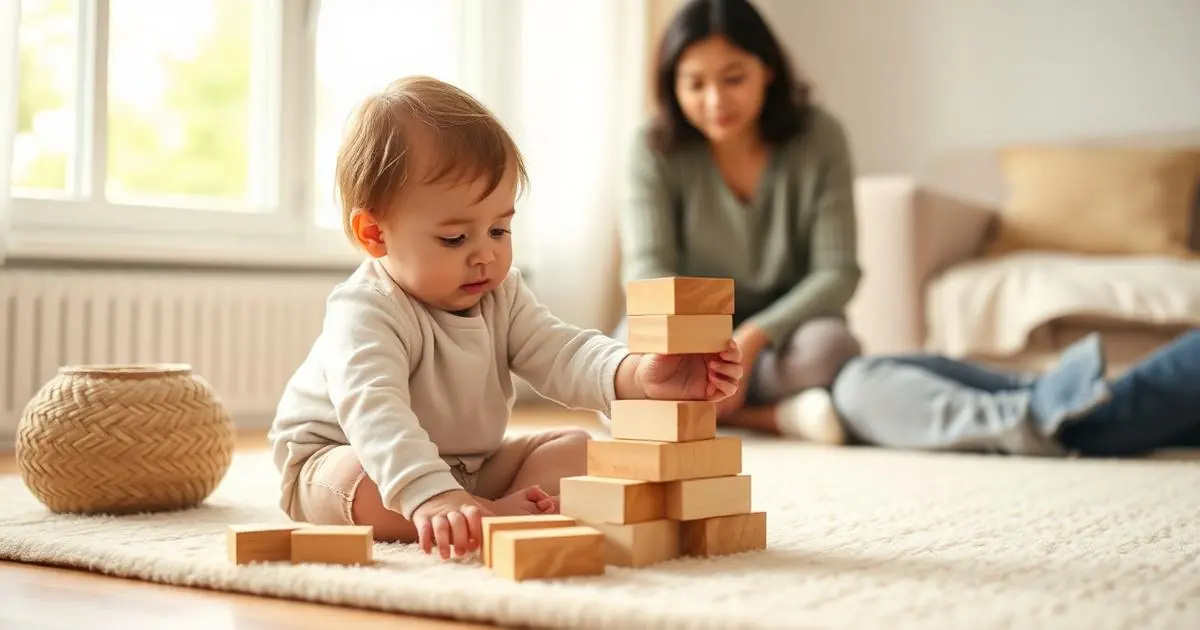
Motor, language, cognitive and social milestones stage by stage — with clear red flags and what to do at home, no comparisons.
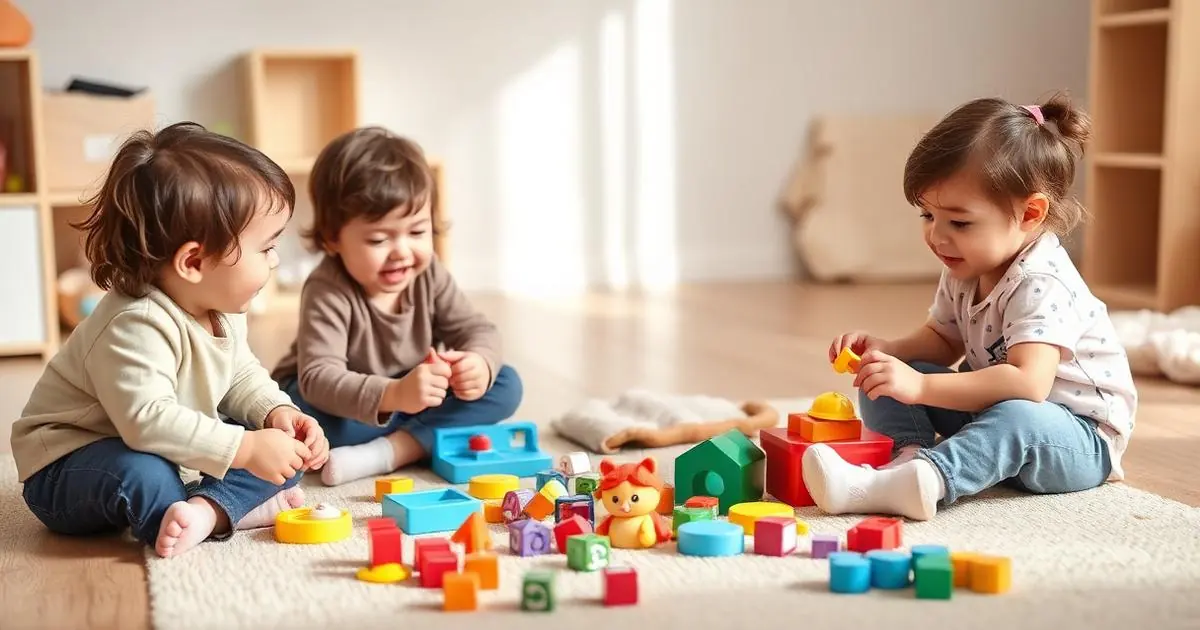
Why sharing only clicks after age 3, how to mediate conflict without playing judge, and what to do about shyness and biting — ages 1 to 7.

What to expect at each age, the signs worth checking, and 6 simple everyday ways to encourage speech (ages 0–5).

Handmade gift ideas by age (1 to 10) and four complete menus so the kids can help cook and celebrate.
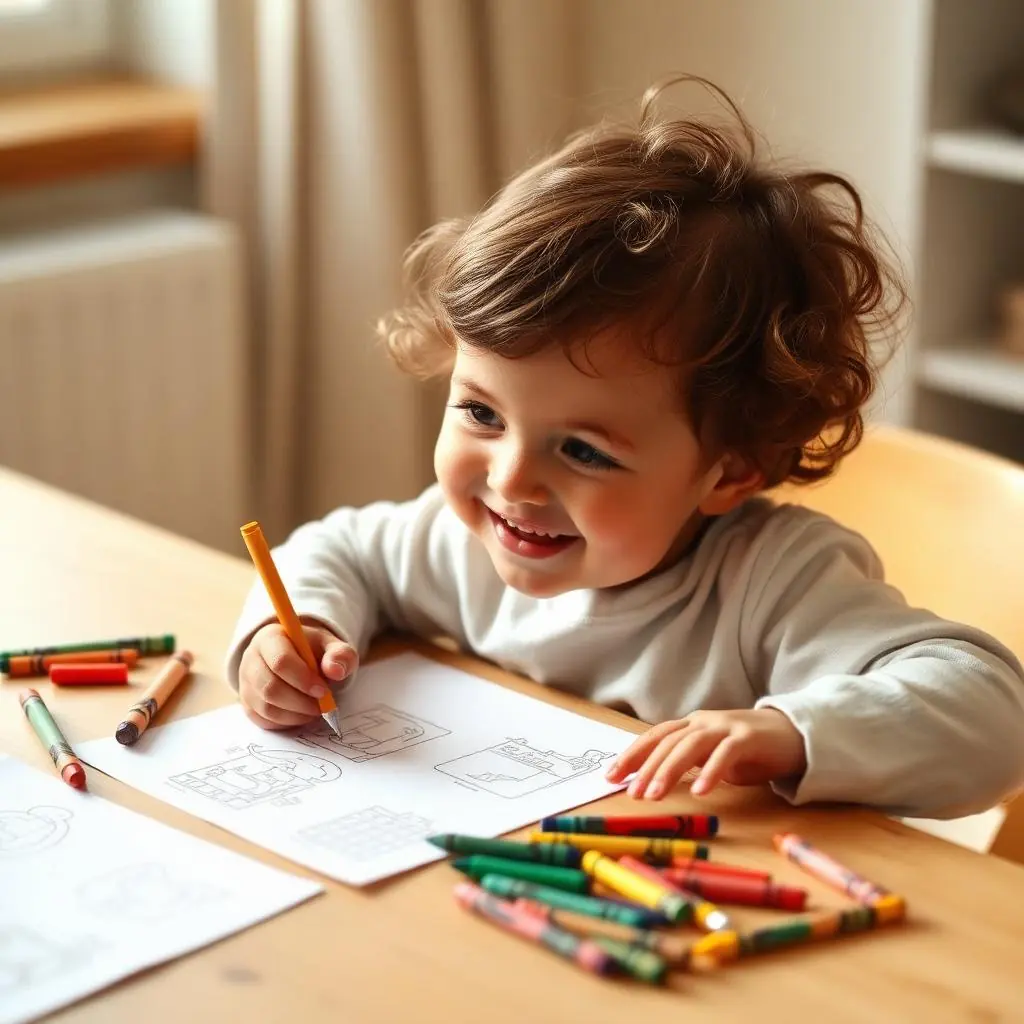
What really works at age 3: coloring, tracing, matching and visual perception — with practical routine tips.
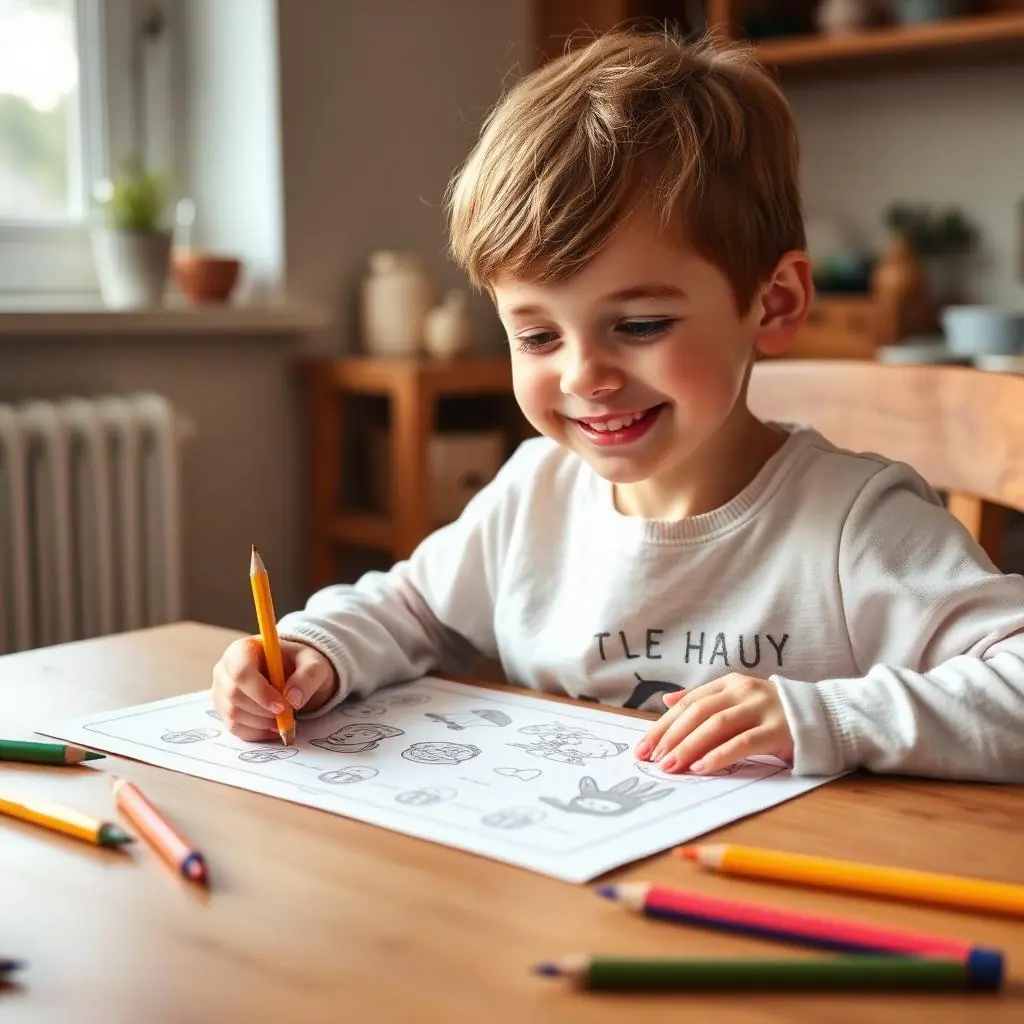
Practical ideas by skill — literacy, math, coordination and attention — easy to apply at home.
No spam. Just good ideas for you and your little one.