
1–2 years
Plays side by side, watches and imitates. Fights over objects are constant and solved by swapping or distraction, not conversation.
Before age 3, sharing is close to impossible — and that's not selfishness, it's neurology. Social skills appear in a predictable order, and understanding that sequence completely changes how you mediate playground squabbles.
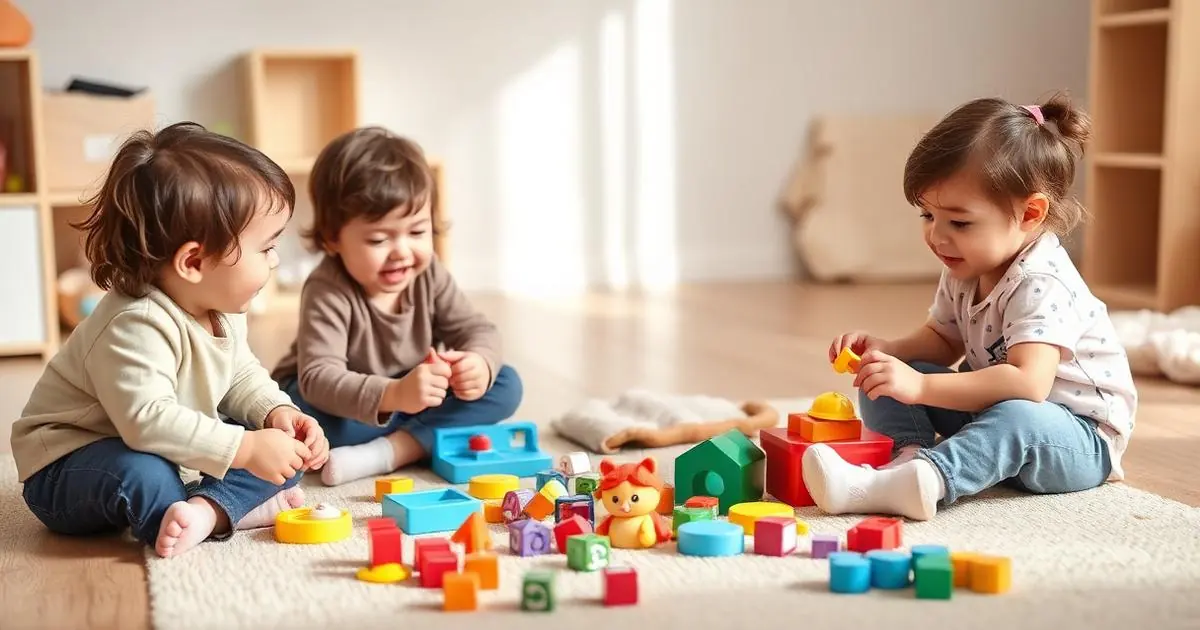
Children move through play stages: alone, parallel (side by side, each in their own world), associative and finally cooperative, with rules and roles. Demanding cooperation from a child still in the parallel stage frustrates everyone.
Sharing requires understanding that someone else wants something different and that the toy comes back — two ideas that mature between 3 and 4. Before then, timed turn-taking ('when the timer beeps, it's your turn') works far better than a lecture on generosity.
Plays side by side, watches and imitates. Fights over objects are constant and solved by swapping or distraction, not conversation.
Turn-taking begins with adult support. 'Mine!' is a normal identity-building phase, not bad manners.
Shared pretend play with simple roles. Can share for short stretches and starts asking for help instead of hitting.
Picks favourite friends, negotiates rules and notices when someone is sad. The first 'you're not my friend' shows up.
Rule-based games, a strong sense of fairness, conflict resolution with little mediation — plus real sensitivity to being left out.
Use a visible timer: it takes the adult out of the villain role and gives the waiting child certainty.
'Say: I want to play too.' Teaching the phrase beats solving it for them.
'You both want the same car.' Naming the problem lets them propose the solution.
Hold the hand with gentle firmness: 'I can't let you hit.' Then welcome the anger behind it.
Before a playdate, store the most precious item. It prevents a fight that never needed to happen.
'You waited your turn, and that was hard' teaches far more than 'good boy'.
Informational content. Persistent lack of interest in other children, marked difficulty with eye contact or frequent aggression deserve professional assessment.
More on the social world of childhood.
More reading on the same topics.
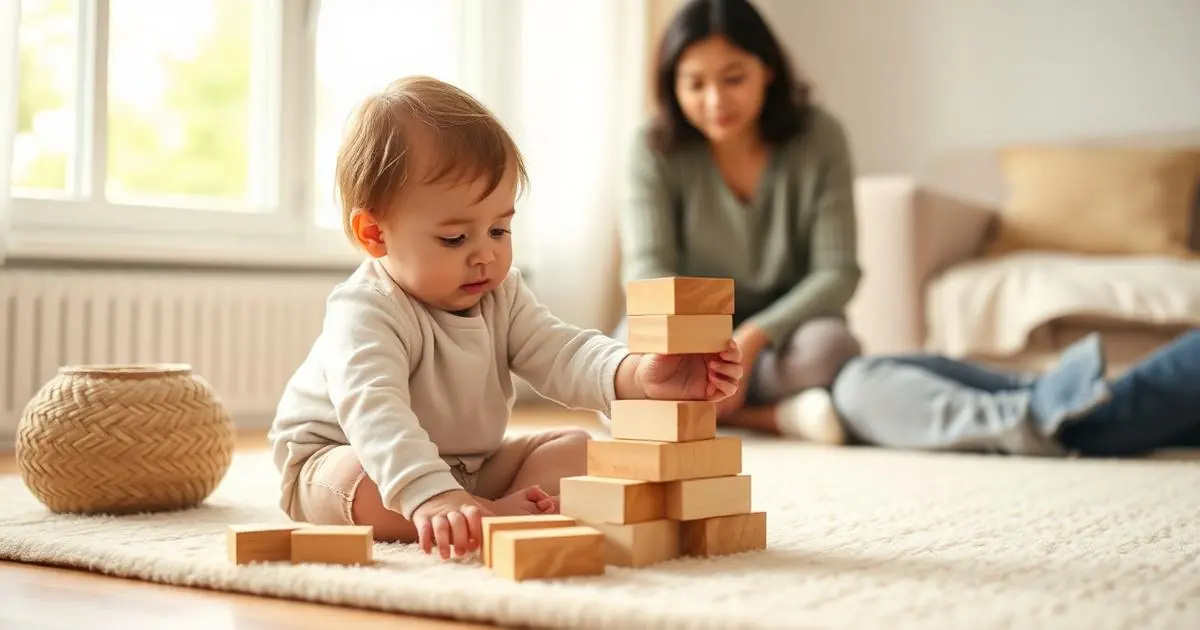
Motor, language, cognitive and social milestones stage by stage — with clear red flags and what to do at home, no comparisons.
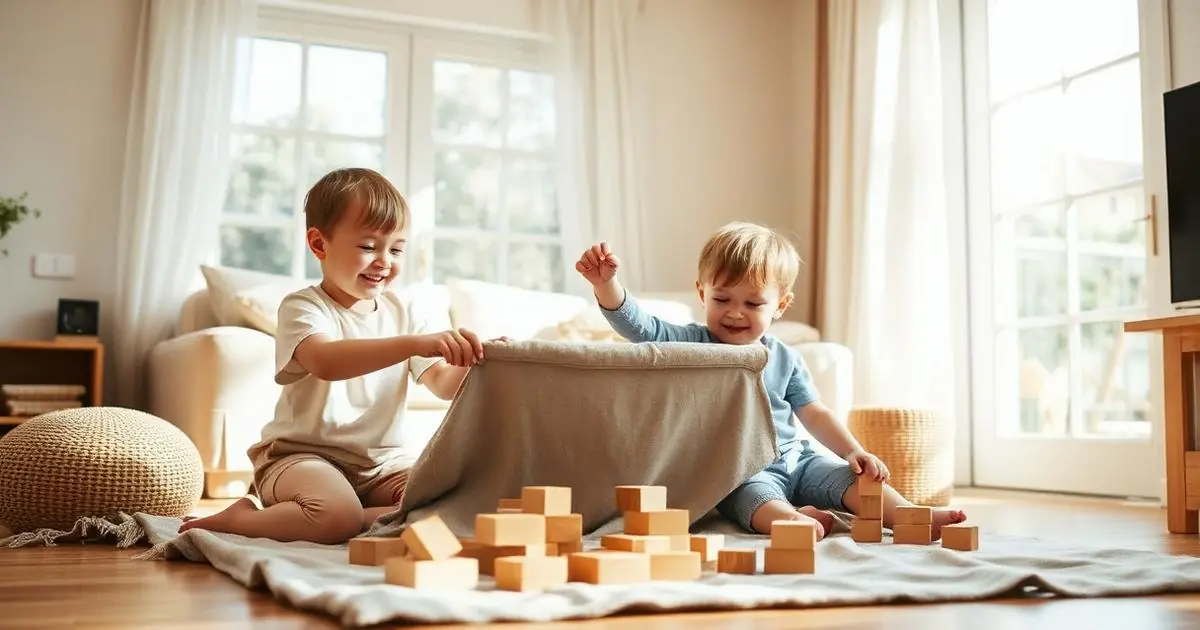
Why boredom isn't the enemy, what each kind of play teaches, and how to balance the week by age (1–8).
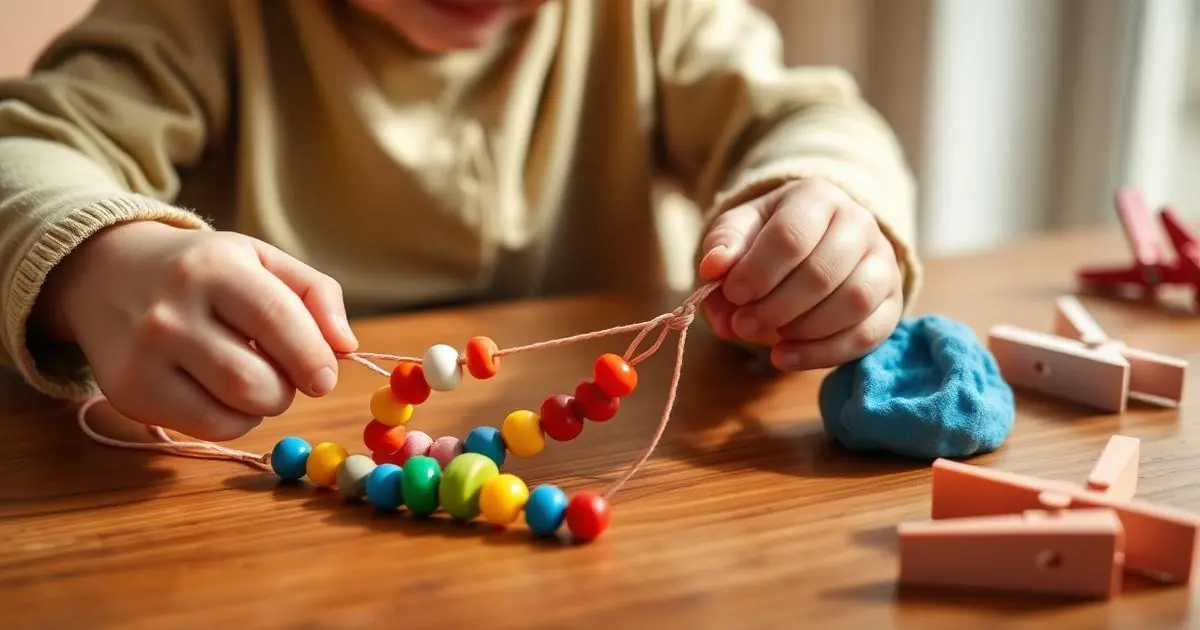
Age-by-age activities (1–6) and everyday tasks that build hand strength long before the notebook.

What to expect at each age, the signs worth checking, and 6 simple everyday ways to encourage speech (ages 0–5).
Sem spam. Só ideias boas para você e seu pequeno.