Not every 6-year-old wants to sit down and do a worksheet. And that's fine. At this age, learning still needs to feel like play — short challenges with quick wins. That's why printable educational activities for 6-year-olds make so much sense for busy families: they turn a few minutes into focused practice without complicating anyone's life.
Around 6, kids are usually consolidating key skills. Letters, numbers, sequencing, fine motor control and rule-following start showing up more clearly day to day. At the same time, every child has their own pace. Some already read simple words. Others still need real support to trace letters, count confidently or stay focused for more than a few minutes.
That's exactly why well-chosen printables work so well. They have a beginning, middle and end. The child sees what's expected, senses when it's done, and feels the satisfaction of finishing. It also helps caregivers — less improvisation, clearer goals.
How to pick printable educational activities for 6-year-olds
Start with a simple question: less "how do I keep them busy" and more "what do I want to strengthen today?" With that filter, activities land better. One day the focus might be literacy. Another day, logic. Another day, just attention and fine motor practice.
Watch attention span too. Some kids engage for 15–20 minutes. Others do their best in 5–10 minute blocks. A simple sheet might beat a longer set. There's no right or wrong — only what fits your routine and respects your child today.
Difficulty matters. Too easy loses interest. Too hard triggers frustration. Aim for something the child can mostly do on their own, but still needs to think, compare, test or ask for help along the way.
What to work on at age 6
Rotate skills. When the same activity type shows up over and over, interest drops. Variety keeps learning rich and light.
Early literacy
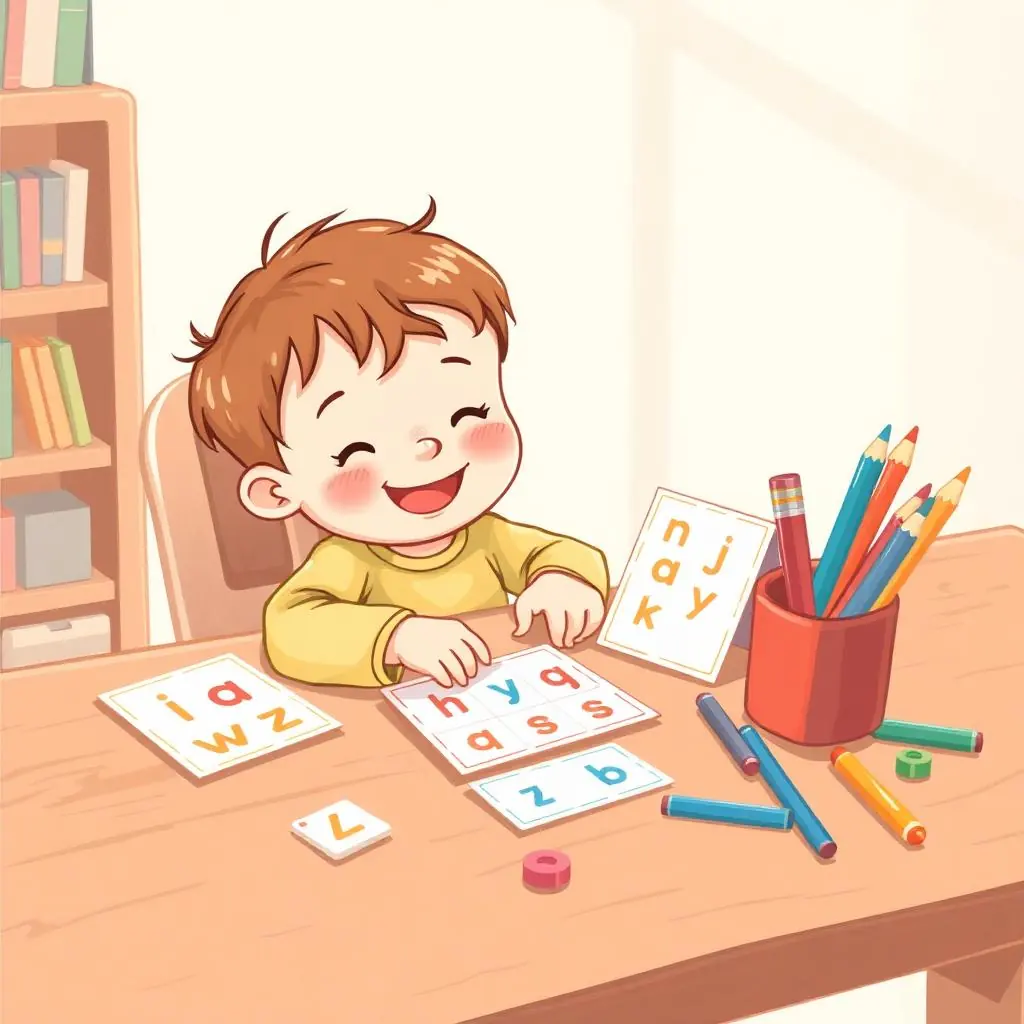
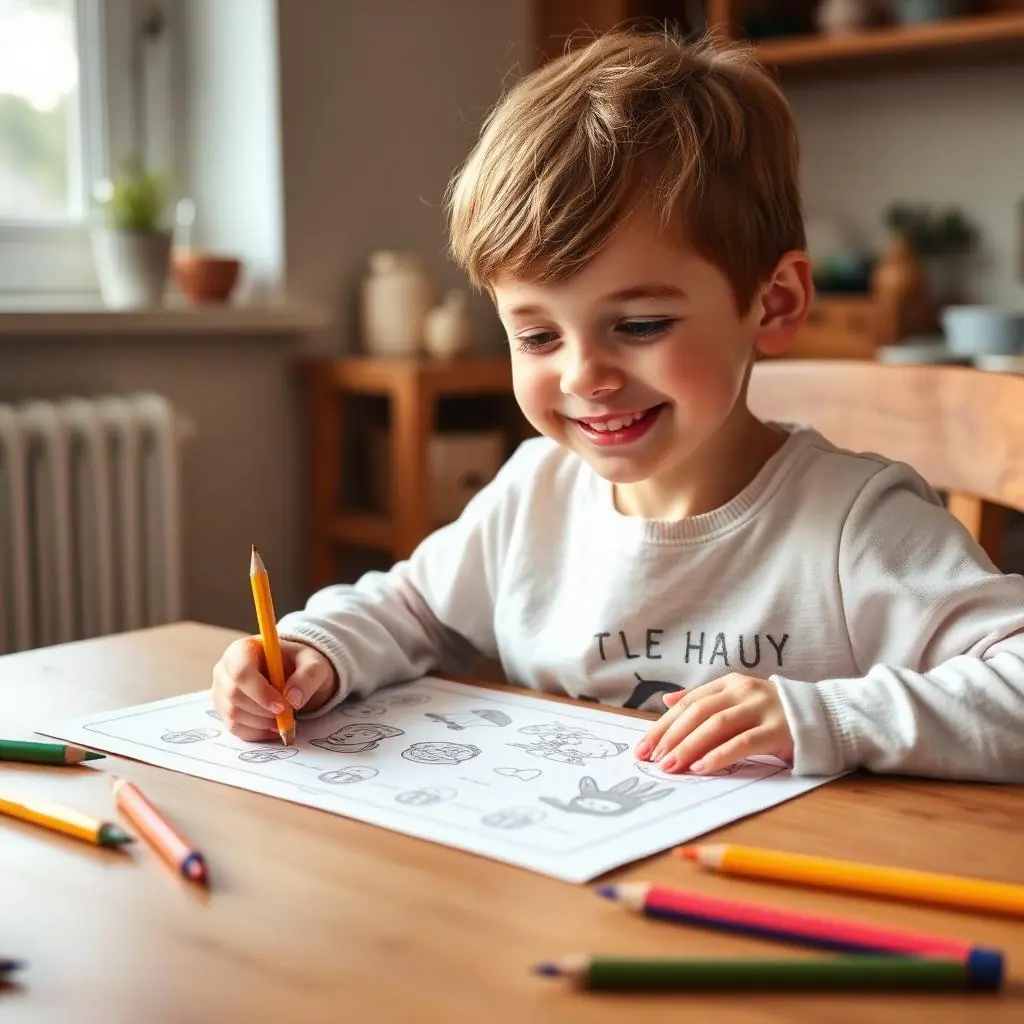
Letters, syllables, word building and image-to-word matching are gold at this age. Simple crosswords, short word searches and fill-in-the-blank exercises reinforce phonological awareness in a practical way.
If your child is just starting, prioritize letter recognition and initial sounds. If they're more advanced, offer reading short phrases, brief comprehension and word building with visual support. The trick is meeting them where they are today.
Everyday math
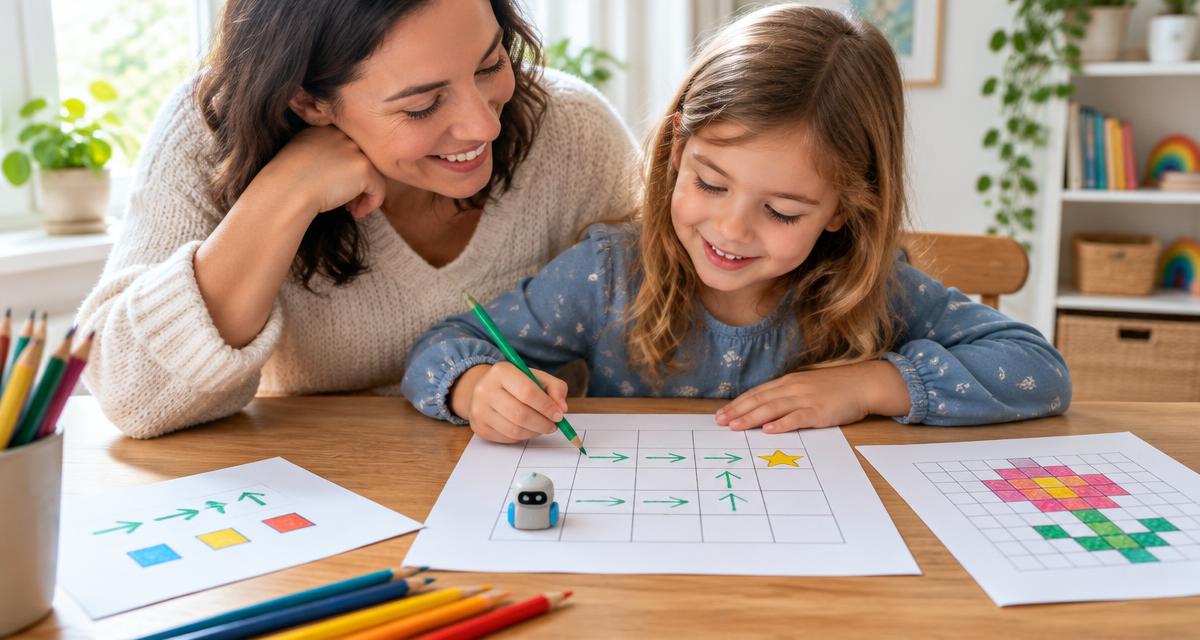
At 6, many kids are consolidating counting, quantity comparison, number sequences and simple sums. Printables can offer connect-the-number, sequence completion, sums with visual support and short story problems with everyday objects.
These work best when they don't feel like a test. Drawings, quick challenges and visual elements pull attention. If your child loves coloring, combining sums and colors goes a long way.
Fine motor and tracing
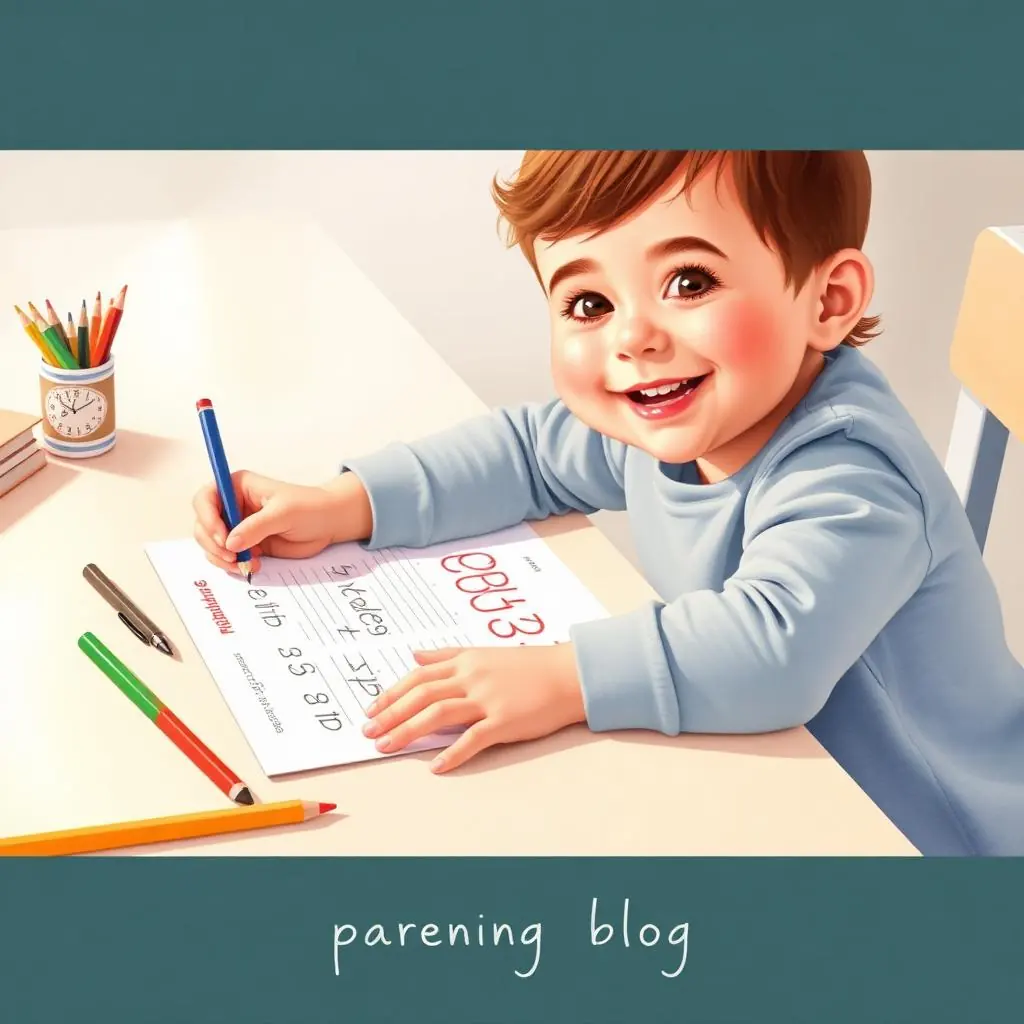
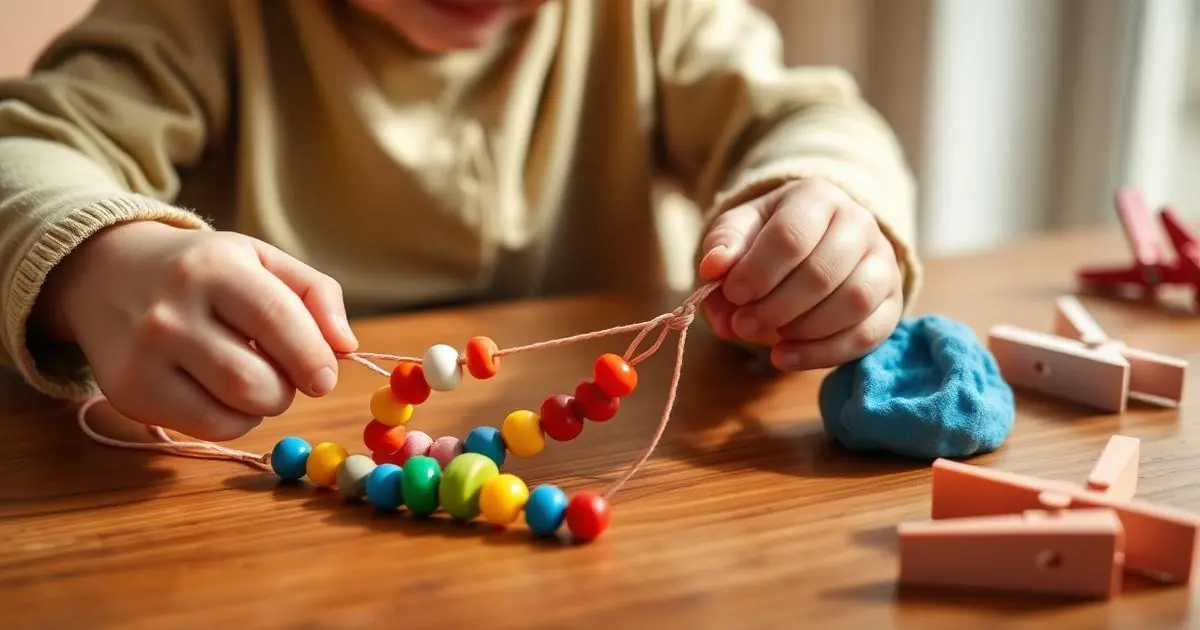
Even kids who already write benefit from fine motor work. Mazes, tracing, cutting, gluing and guided drawing improve pencil control, spatial organization and visual attention.
This one gets underestimated, but it matters. A child with more motor confidence tires less when writing and handles school tasks better. Progress is gradual — regular practice really pays off.
Attention, logic and perception
Spot-the-difference, figure sequences, patterns, simple puzzles and observation challenges are excellent here. They train the skills that underpin all learning — including reading and math.
They're also great on days when your child isn't in the mood for letters or numbers. Sometimes swapping the stimulus is what makes the activity click.
When to use printables in the routine
You don't need to build a huge learning moment. In practice, these activities work when they fit real gaps in the day — after breakfast, while lunch finishes, mid-afternoon or during that stretch when the child needs to slow down.
For many families, keeping the material ready helps. A folder sorted by theme or by difficulty saves time and removes the "figure out something now" pressure. When the proposal is prepped, consistency is easier.
You also don't need to lean on printables every day. They're tools, not obligations. Sometimes what a child needs is movement, conversation, read-alouds or free play. That balance is healthy.
How to spark more interest
How you present the activity changes the outcome. If it lands like a demand, resistance shows up fast. If it lands like an invitation or challenge — a small mission — engagement climbs.
Instead of "go do your worksheet", try "want to see if you can figure this out?" or "which of these do you want to start with?" Small choices give kids autonomy, and at this age that counts a lot.
Don't correct everything, either. In many activities the process matters more than a perfect result. If your child tried, thought and stayed focused, that's already learning. Guidance is part of it — but every sheet doesn't need to be a quiz.
If frustration comes up easily, split the sheet into smaller parts. Half now, half later. Small adjustments like that lighten the experience.
Educational printables for 6-year-olds: what to avoid
One temptation is downloading too much. But excess also tires. When a child sees a stack of tasks, they associate the moment with pressure — not discovery.
Repetitive proposals that don't match their current phase are another trap. Copying line after line isn't always the most interesting path when a child needs variety and purpose. Sometimes one thoughtful activity teaches more than three identical pages.
Comparisons with siblings, classmates or school expectations also hurt. At 6, pace differences are still very visible. One child may excel at reading, another at logic or coordination. That doesn't mean delay — just that development isn't identical.
A simple weekly plan for home
If you want more structure, rotate three types across the week: one day for letters and reading, one for numbers and logic, one for attention or fine motor work.
It doesn't need to be long. Fifteen focused minutes can be plenty. What matters most is a doable rhythm, not perfection. In real family life, gentle consistency beats ambitious plans.
Save some finished sheets too — it helps kids notice their own progress. When they realize they can now do something that used to feel hard, confidence grows. And confidence carries learning.
The adult's role during the activity
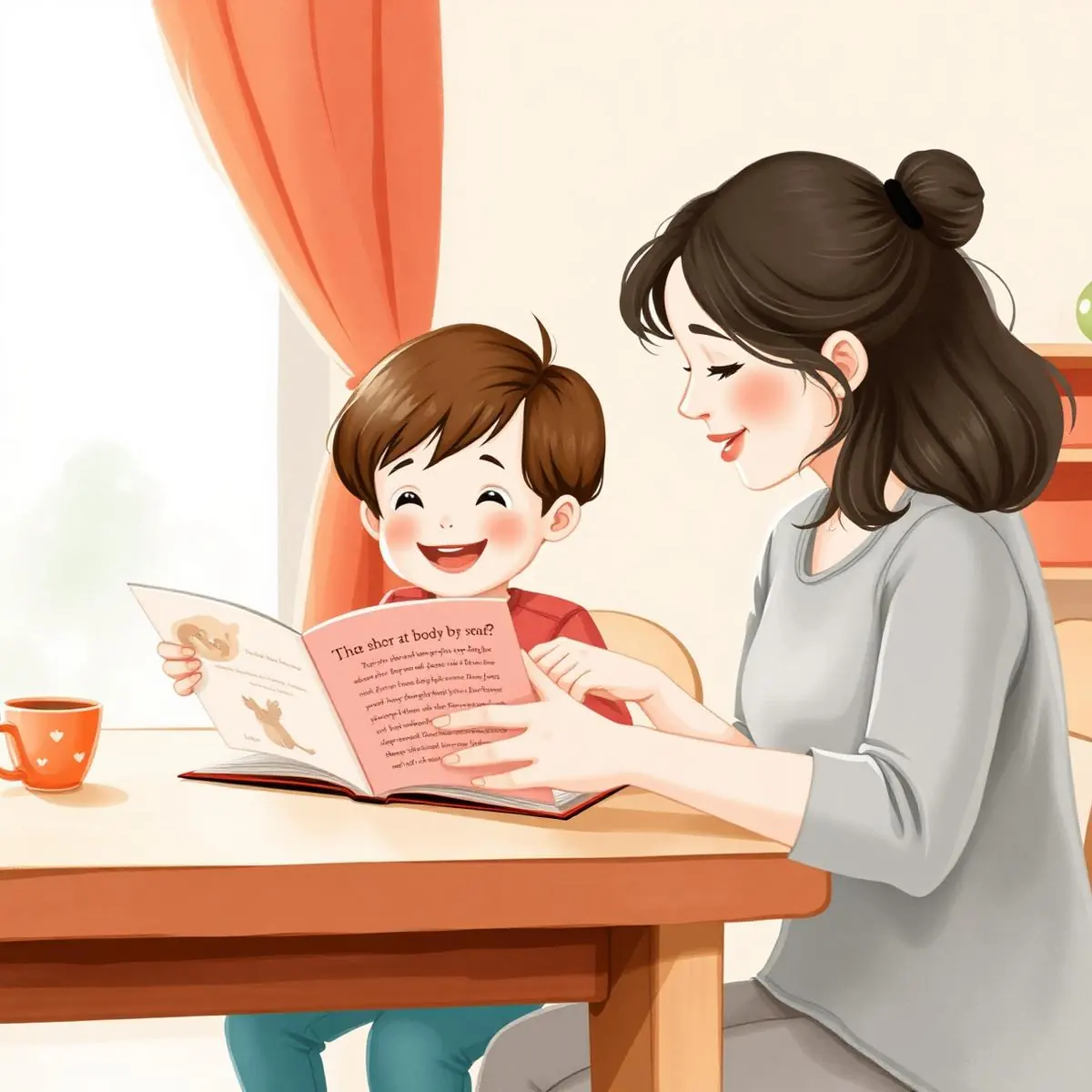
Your role isn't to turn home into a classroom. It's to offer support, notice signals and keep the moment calm. Sometimes that means sitting alongside. Sometimes just being nearby to help when needed.
When the adult stays calm, the child tends to respond better. If they make a mistake, guiding with questions works better than jumping to the answer. "Want to look again?", "What do you notice here?", "Which one seems to fit?" — invitations to think, without pressure.
This kind of observation also reveals patterns. Always avoiding the same type of activity may signal a specific difficulty. Always finishing without effort may mean it's time to level up. Small details, but valuable ones.
Ready-made materials — the kind many families find on momsnet — help because they take the planning burden off. When the activity is already designed for the age, it's easier to offer a useful, warm, doable moment inside real life.
In the end, the best printable for a 6-year-old isn't the prettiest or the most complex. It's the one that meets your child where they are today and turns a few ordinary minutes into learning with lightness.