
0–3 months
14 to 17 hours, spread across many short blocks, day and night.
Sleep is when the brain consolidates learning, releases growth hormone and reorganises the day's emotions. Not sleeping enough rarely makes a child look sleepy — it usually makes them wired, irritable and unfocused. Here's how much is expected by age, and how to build a routine that holds.

Add nights and naps together. Ranges are references — watch your child's mood and energy.
14 to 17 hours, spread across many short blocks, day and night.
12 to 15 hours, with 2–3 naps gradually settling into a pattern.
11 to 14 hours, usually with one 1–2 hour nap.
10 to 13 hours. Naps typically fade out between 3 and 5.
9 to 12 hours overnight, no nap.
Sleep deprivation in childhood rarely looks like sleepiness. Watch for:
Predictability is what tells the body it's time to shut down. Keep the whole thing to 30–45 minutes.
The body-temperature drop after a bath helps trigger the sleep signal.
Avoid sugar and heavy meals in the last hour before bed.
The same book on repeat is perfect. Screens stay out of the last 60 minutes.
Same phrase, same kiss, same order. A predictable ritual cuts negotiation.
Dark, cool (18–21 °C) and quiet — or with steady white noise.
Same bedtime and wake time, weekends included (within an hour).
Loud, frequent snoring, breathing pauses, mouth breathing during sleep, heavy sweating, very restless sleep or significant daytime sleepiness all deserve assessment — they can point to apnoea or airway obstruction, which directly affect growth and learning.
It's also worth a conversation if bedtime has become a daily hour-long battle, or if short sleep is persistently affecting school and mood.
Informational content; it does not replace pediatric assessment. Snoring, breathing pauses or marked daytime sleepiness should be investigated.
Guides and articles that support better nights.
More reading on the same topics.

Jealousy, regressions and adjustment: 12 practical ways to prepare the older sibling before, during and after the birth.
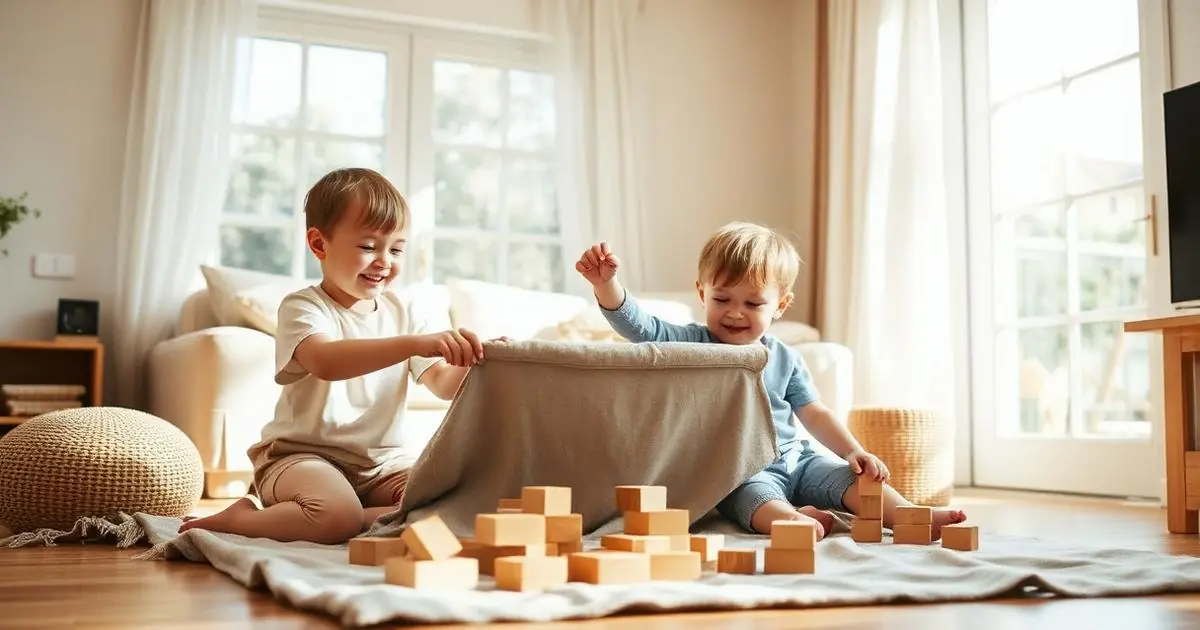
Why boredom isn't the enemy, what each kind of play teaches, and how to balance the week by age (1–8).

A 30-45 minute wind-down sequence, sleep hours by age, screens before bed, bedtime resistance and night waking.
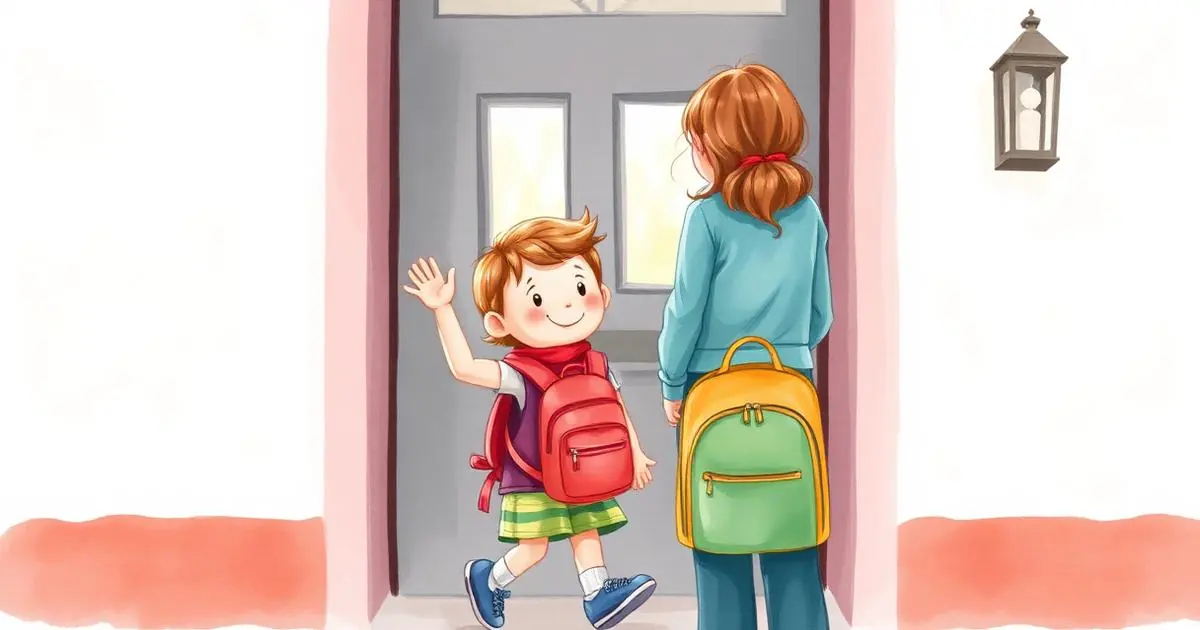
Sleep, routine, a short goodbye ritual and reconnection time — a lighter back-to-school for everyone.
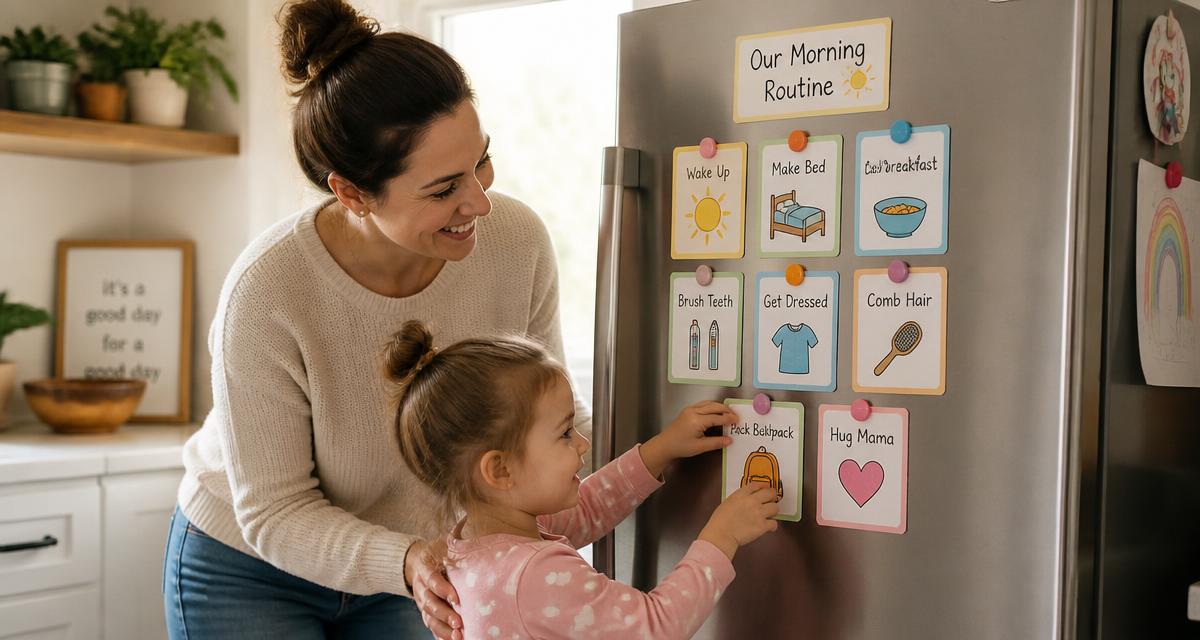
The pillars of the day, schedules by age, 5 steps to build yours, what to do when your child resists, and a free printable routine chart.

Routines give kids security. Learn how to build one without rigidity or guilt.
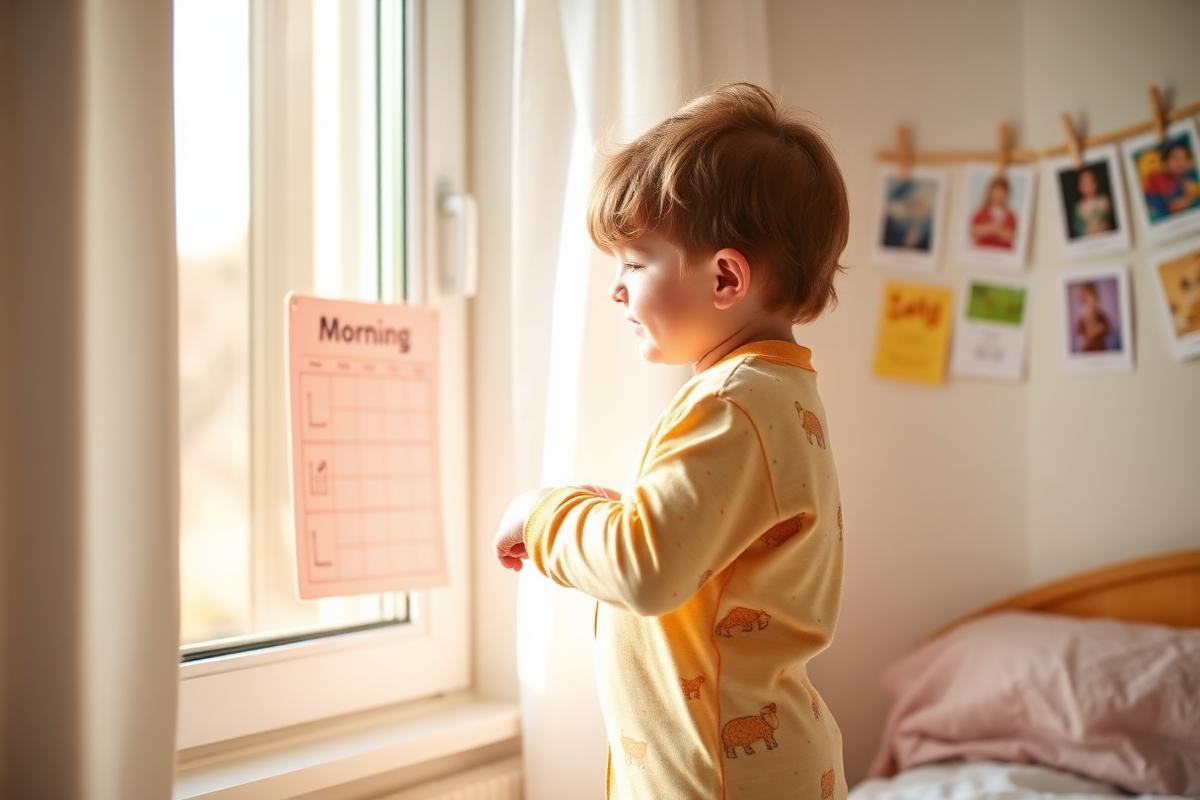
How to build a calm school morning with no yelling and no rushing: step by step by age, realistic timings and a free visual routine chart.
An honest, evidence-based guide: warning signs, support at home, study routine, talking with the school and when to seek professional evaluation.
Sem spam. Só ideias boas para você e seu pequeno.