At 3, kids want to join in on everything — but they still need short, visual, easy-to-understand tasks. That's exactly why choosing good printable activities for 3-year-olds makes such a difference: they entertain, stimulate real skills, and give you a little breathing room without turning to screens every time.
At this age the secret isn't hard worksheets or early reading pressure. What works is simple materials, clear instructions, big drawings, and space for the child to explore at their own pace. When the activity matches development, engagement goes up and everyone relaxes.
What a 3-year-old can actually do
Before printing anything, it helps to align your expectations. Around age 3, most kids can scribble intentionally, name colors, identify familiar figures, make simple lines, glue, spot visual differences and follow small sequences. At the same time, attention is still short and fine motor control is still developing.
That means long activities with many details or multiple instructions tend to cause frustration. Fast, gently repetitive tasks with a clear start and end usually land better. A child walking away from a sheet halfway through isn't lack of interest — it's often a sign the activity was above their sweet spot.
Best printable activities for 3-year-olds
The best printables for this age work one skill at a time. Instead of mixing counting, coloring, letters and cutting on the same page, keep the stimuli separate. That helps the child understand what to do and prevents fatigue.
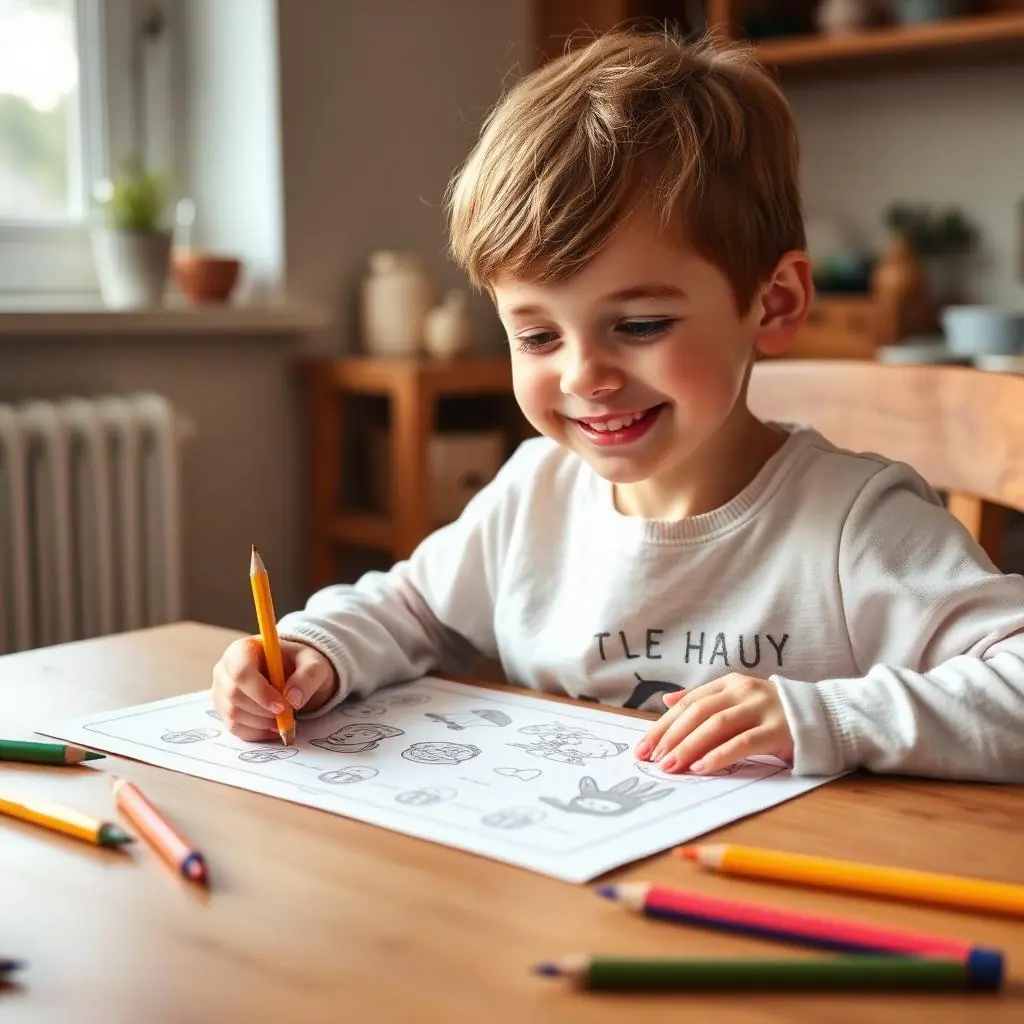
Big-picture coloring is a great choice. At this age the goal isn't staying "inside the lines" — it's crayon control, color awareness and self-expression. Familiar images (animals, fruit, vehicles, everyday objects) hold attention because they live in the child's world.
Matching identical figures also works beautifully. It builds visual perception and focus without needing reading skills. Same with spot-the-odd-one-out, circle-the-picture and scene observation. Simple tasks, but rich for this age.
How to pick — without filling a folder with useless files
Not every activity that looks nice on screen works in real life. For young kids, visual overload hurts. Pages with too many images, tiny fonts or complex instructions can feel exciting to adults but confusing to the child.
Practical signs a printable fits: few elements per page, recognizable drawings, wide spaces and objective prompts. If you have to over-explain before the child can start, the activity probably isn't age-appropriate.
It also pays to vary by goal — one week you might rotate a coloring page, a tracing page, a matching page and a visual perception page. Two or three good options tend to serve you far better than ten downloads.
Printables by skill
Fine motor control
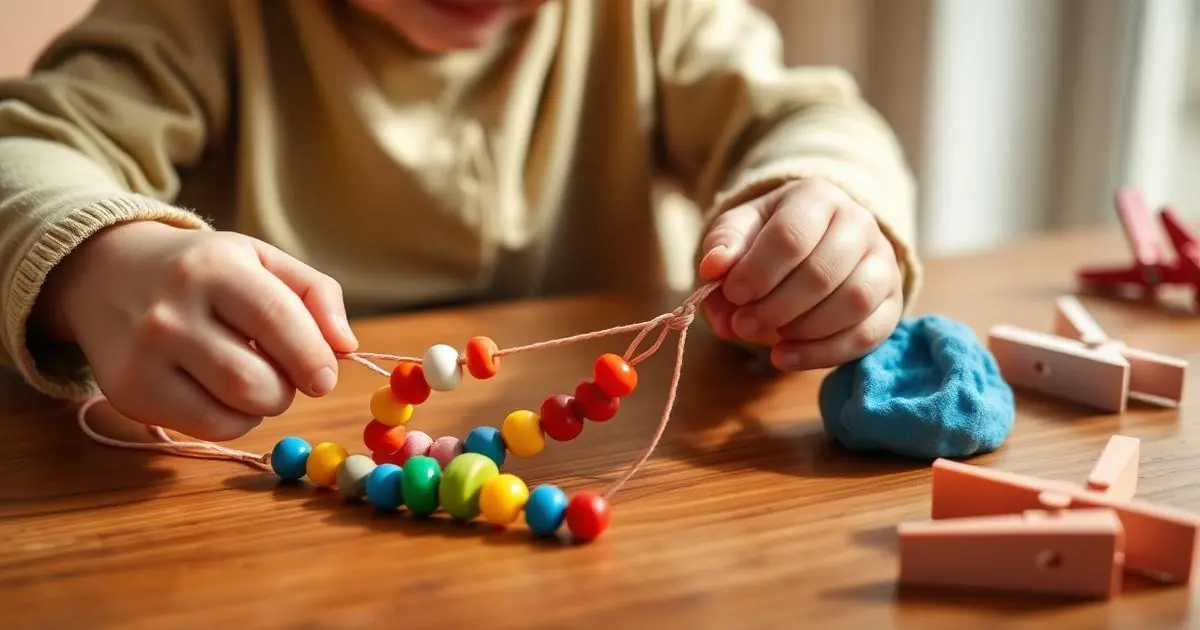
To build hand and finger strength, favor free coloring, simple tracing, gluing and sticker activities. Even the basic-looking ones prepare the child to hold a pencil better and make more precise movements later on.
Less is more here. One page with a few elements to color often goes further than a scene full of detail. Thick crayons, triangular pencils or washable markers let the child work in comfort.
Language and vocabulary
Everyday images support speech development beautifully. Naming animals, foods, clothes and parts of the house while the child colors or points turns the printable into a conversation prop, not just a task.
Image-and-word pair sheets work well too — without demanding reading. The adult reads aloud, repeats names, asks simple questions: "Where's the cat?" or "Which of these fruits have you eaten?"
Attention and visual perception
Find-the-match, mark-the-different, and shadow-matching are excellent at 3. They train the eye, comparison and short-focus concentration — great for busy days.
If your child gets distracted easily, pick pages with only three or four options. Too many stimuli quickly turn fun into fatigue.
Quantity and early logic
At 3, the goal isn't "doing math". It's building early ideas about quantity, size, sequence and comparison. Linking 1, 2 or 3 to matching amounts, spotting biggest and smallest, or completing simple visual patterns is plenty.
These proposals build reasoning without formalizing learning too soon — a much lighter, age-appropriate path.
Using printables without making them a chore
Printed materials work best when they enter as an invitation, not as homework. Instead of calling the child to "do their work", present the sheet as a quick game during a calm moment.
Many families find success after breakfast, mid-afternoon or during a routine transition. Trying it near sleep, hunger or tiredness usually backfires. It's not about discipline — it's about timing.
Also, don't over-correct. If your child colored the sky green or scribbled outside the trace lines, that's fine. At this age the goal is exploration and confidence. Constant adult interference kills the lightness of the moment.
Stop before exhaustion. Half a sheet done with joy beats a full sheet finished under protest. Ending while the experience is still positive keeps the association warm for next time.
What to avoid at this age
A common trap: picking "advanced" materials because they look more educational. Letter copying, syllables, sums or long instruction chains may feel productive but often aren't appropriate at 3.
Comparison is another pitfall. Every child develops at their own pace — some grip the pencil better, some talk more, some prefer gluing to coloring. That variation shows up loudly in printable time.
Long sessions rarely help either. A few minutes of quality time beats half an hour of pushing through. The activity should support development, not drain a moment that could have been light.
When printables really shine
They help enormously on rainy days, indoor stretches, transitions between play, or when the child wants attention and nothing else engages. A small selection sorted by activity type makes a real difference.
More than "keeping the child busy", they create moments of interaction. A simple coloring page can spark conversation, laughter, object naming and autonomy practice — the exact combo that makes this resource so useful for busy families.
If you're building a folder of 3-year-old printables, think less about quantity and more about fit. One good sheet at the right moment beats a stack that stays unused. The best material is the one that welcomes your child's curiosity and truly makes your day easier.