
A shopping list by section
Organize the list in the order of your store's layout (produce, protein, pantry, dairy). You spend less time, forget less, and cut down a lot on impulse buys.
If every day at 5pm you find yourself wondering "what am I going to make for dinner," this one's for you. A simple weekly meal planning routine, done in 30 minutes on Sunday, takes that weight off your shoulders and cuts down on food waste too.

Anyone with young kids knows the question "what are we eating today" can come up three times a day, always at the worst possible moment — mid-workday, at school pickup, with a toddler hanging off your leg asking to be carried. Deciding meals on the fly costs time, money and patience, and it usually ends in takeout or an improvised meal the kids refuse to eat.
Weekly meal planning for families solves exactly this friction point. Instead of seven daily decisions made under pressure, you make one deliberate decision, sitting down calmly, once a week. The result isn't just less stress: it's less food waste, less impulse spending at the grocery store, and more balanced meals, because you're planning with variety in mind instead of desperation.
And it doesn't have to be perfect or elaborate. The method that actually works for families with young kids is simple, repetitive and flexible — built around what your kids already eat, not what the internet tells you to cook.
Set aside a fixed time each week — Sunday afternoon tends to work well — and follow this sequence:
The secret to a meal plan for kids that actually lasts isn't endless creativity — it's smart repetition. Choose 10 recipes most of the family eats without a fight: rice, beans and shredded chicken; pasta with tomato sauce and finely chopped vegetables; an omelet with mashed potatoes; vegetable soup with small pasta; savory pancakes, and so on.
With those 10 recipes on hand, you never start planning from scratch. Every week you just pick 5 or 6 of them, vary the sides, and switch up the order. After a few months, it's worth testing one new recipe a week and, if it's well received, adding it to the base — while some less-loved dish can be retired.
This logic also helps a lot with picky eating: instead of pressuring your child to try something totally new every day, you guarantee a safe base and gradually introduce new foods alongside what they already know.
Each one solves a common friction point for families with young kids.
Organize the list in the order of your store's layout (produce, protein, pantry, dairy). You spend less time, forget less, and cut down a lot on impulse buys.
Before planning new recipes, check what's about to expire in the fridge and pantry, and build at least two meals for the week around that. It's the simplest way to reduce food waste.
Cook the week's rice, beans, grains or tomato sauce all at once. Chop vegetables and store them in containers. This cuts weekday prep time from an hour down to 15-20 minutes.
Fold the school lunchbox into the same meal plan: set aside extra portions from last night's dinner, pre-washed and cut fruit, and 2-3 fixed options for the days you don't have time to think.
Reserve one meal for whatever's left from the others — the classic "leftovers night." This avoids throwing food away and gives the weekly menu some breathing room.
Let your child choose 1 meal for the week from within your recipe base options. Being part of the decision increases the chances they'll eat it without a fuss.
If you're living with a picky eater, weekly meal planning needs to be even more generous with what's already accepted. The short-term goal isn't getting your child to eat broccoli: it's reducing stress at the table while keeping up gentle exposure to new foods, without pressure.
A simple strategy: at every meal, guarantee at least one item you're sure your child will eat, alongside a new or less-accepted item, without forcing it. Repeated exposure — sometimes 10, 15 times — without pressure usually works better than any negotiation. Playing with food (cutting it into different shapes, letting your child help plate the meal) also tends to increase acceptance naturally.
It also helps to keep a predictable meal schedule. Kids eat better when they know what to expect — another direct benefit of having the week planned ahead of time.
Weekly meal planning for families is, in practice, one of the most effective tools against household food waste:
You don't need to plan all three meals for all seven days right away. Start by planning just weekday dinners — that alone is enough to feel the difference. Later, if it fits your family's routine, add breakfast, lunch and the lunchbox too.
The ideal weekly meal planning routine is the one that fits your real week, not the prettiest one on Pinterest. Adjust, simplify, repeat the recipes that work, and don't be afraid to eat the same thing more than once a week — that's normal, and it frees up energy for what really matters: sitting down at the table with less stress.
With care, the momsnet team 💜
This content is informational and does not replace guidance from a dietitian or pediatrician, especially in cases of significant picky eating, medical restrictions, or weight-gain difficulties.
Tools and reads from momsnet to make family mealtime easier.
A free tool that suggests recipes based on what's already in your fridge.
Ver mais →Playful ideas to increase acceptance of new foods without pressure.
Ver mais →How to put together balanced, quick lunchboxes for everyday life.
Ver mais →More reading on the same topics.

Egg salad, chicken katsu, strawberry cream, ham & cheese and banana with peanut butter — all with nori faces, ready for the lunchbox.
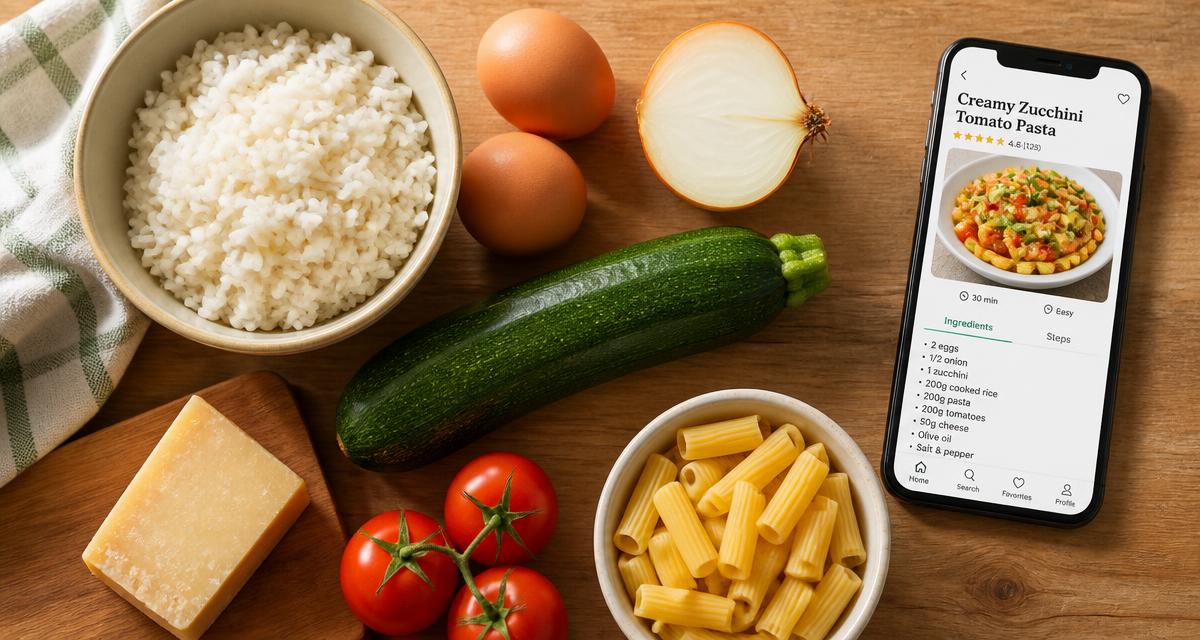
Type what's in your fridge and get recipes in seconds — with filters for time, dietary needs and kid approval.
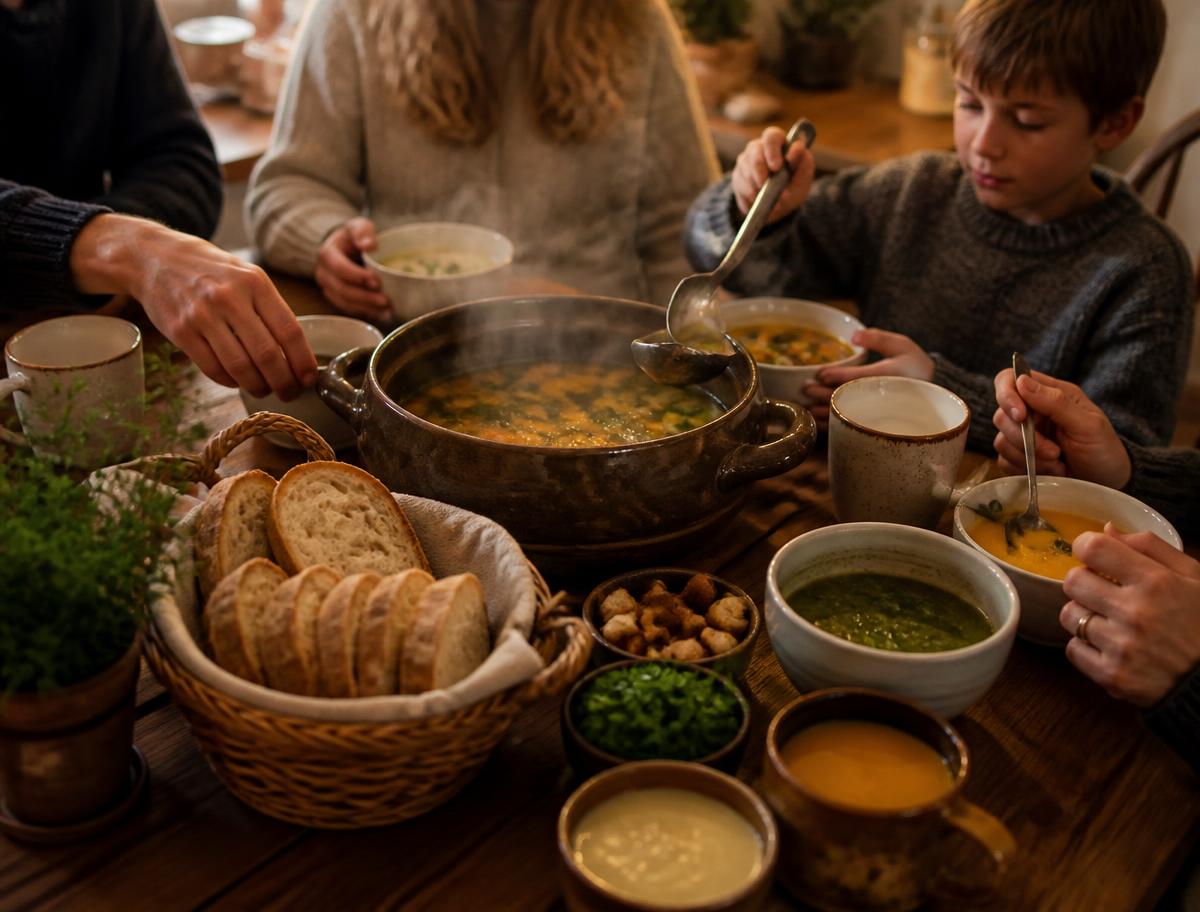
Chicken soup, caldo verde, creamy pumpkin, lentil, corn chowder and more — with ingredients, method and soup-night ideas.

Creamy chicken and vegetable filling under a golden cornbread crust: the dish's history, the full recipe and family dinner tips.

No battles at the table: games at home, in the kitchen and at the shops to widen the menu for ages 2–8.

Sleep hours by age (0–8), signs of not sleeping enough, a four-step bedtime routine and what to do about night wakings.

Handmade gift ideas by age (1 to 10) and four complete menus so the kids can help cook and celebrate.

Sleep, routine, a short goodbye ritual and reconnection time — a lighter back-to-school for everyone.
Sem spam. Só ideias boas para você e seu pequeno.