
Stress-free school lunchboxes: tips for lunches that come back empty
If there's one small daily battle in the routine of anyone with a school-age kid, it's the lunchbox. It needs to be healthy, quick to pack, able to survive hours in a backpack — and, hardest of all, it needs to actually get eaten. After many lunchboxes that came back untouched, we put together what really works.
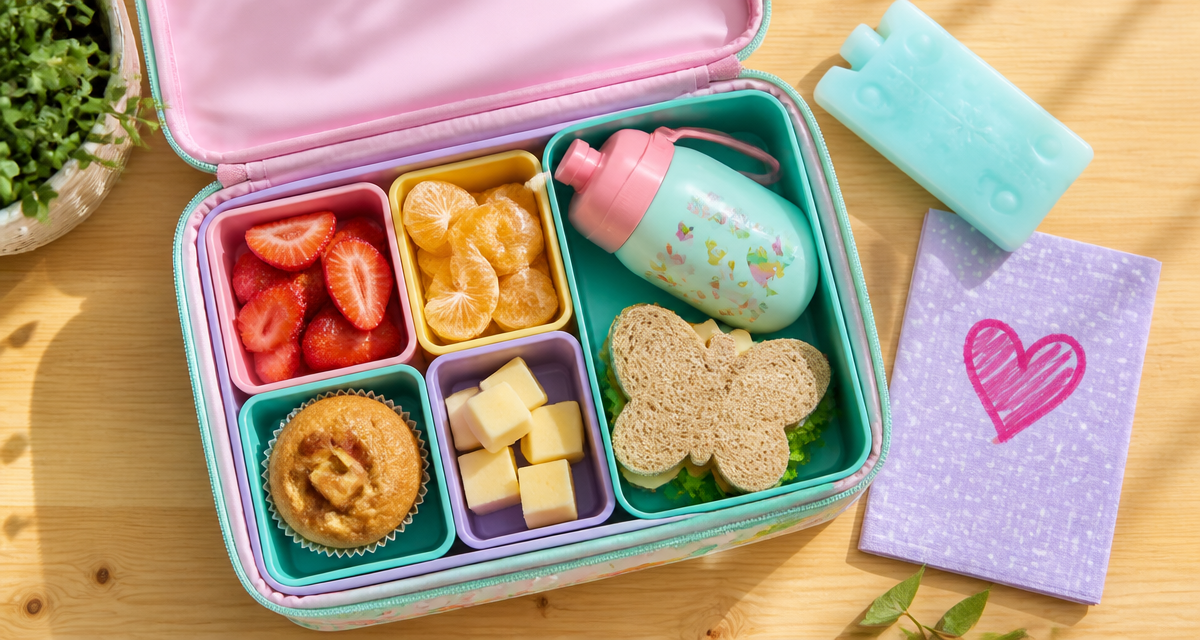
Sunday is for getting ahead of the week
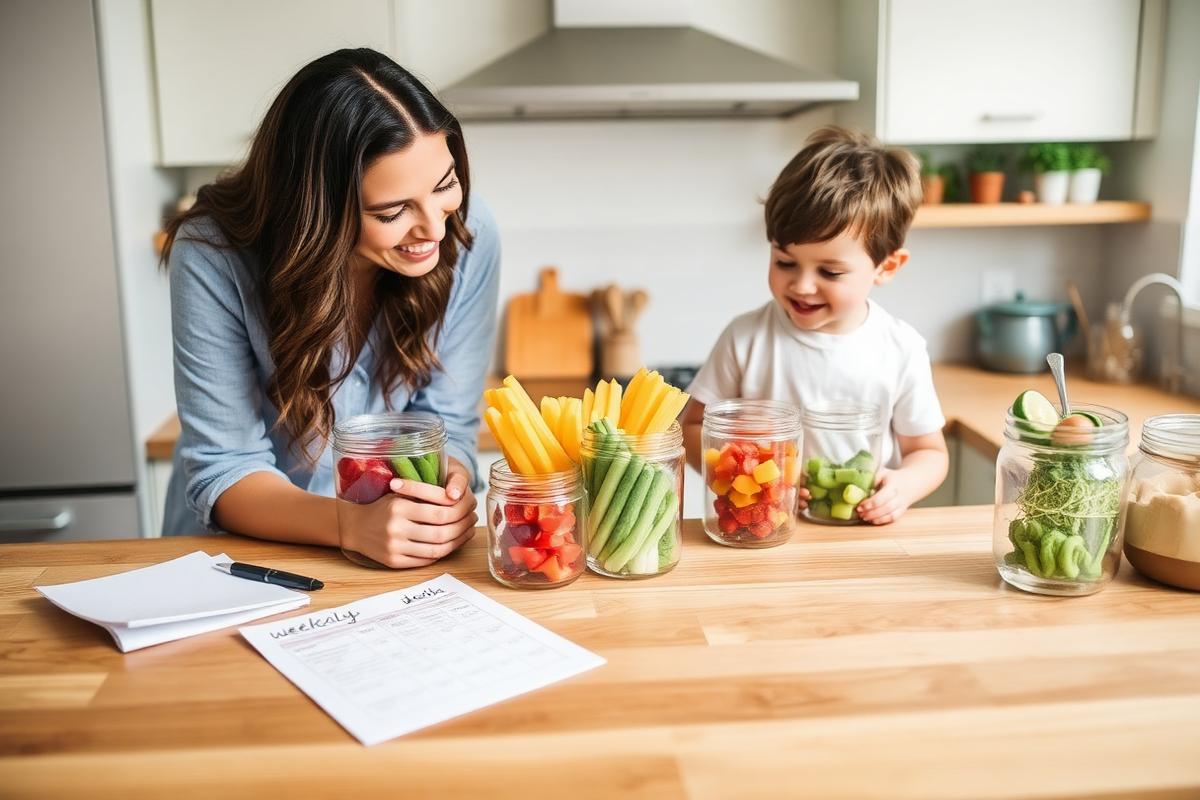
Fifteen minutes of prep on the weekend save an hour of scrambling spread across the workweek. Wash and dry fruit that holds up through the week, portion crackers and nuts into small containers, bake a batch of muffins or banana bread and freeze it in individual slices, keep hard-boiled eggs in the fridge. Recipes that freeze well are the lunchbox's best friend: banana pancakes, savory muffins, egg bites and homemade chicken nuggets go straight from the freezer into the lunchbox or a quick reheat — on momsnet you'll find all these recipes tested and approved by real kids.
Pack it the night before
School mornings are not the time to make decisions. Pack the lunchbox the night before, with the refrigerated items already in the fridge and the dry ones in the backpack. In the morning, just put the pieces together and go. It sounds like a small thing, but it's the difference between a calm exit and that scene of everyone running late looking for a missing lid.
In warm weather, food safety comes first
A lunchbox can easily sit closed in a backpack for four or five hours, often in the heat. That's why an insulated lunch bag isn't a luxury, it's a necessity — and a reusable ice pack (the hard blocks or gel packs) should live in the freezer and go into the lunchbox every single day. Another trick that works: send a partially frozen water bottle or juice box, which keeps the rest of the lunch cool as it thaws. Avoid mayonnaise, creamy dressings and other highly perishable foods; yogurt and cheese should only travel with an ice pack. When in doubt, think of it this way: if you wouldn't eat that food after five hours out of the fridge, don't pack it.
Think about recess time (and little hands)
Many lunchboxes come back full not because the kid didn't like the food, but because there wasn't enough time during the break — between eating and playing, playing almost always wins. Cut fruit into easy-to-grab pieces, peel the orange, send small portions instead of whole servings. Containers the child can open on their own make a huge difference, especially in preschool: test it at home first. And less is more — three or four items in small portions work better than an overstuffed lunchbox, which overwhelms the child when it's time to choose.
Get kids involved in the choices
Kids who take part tend to eat. You don't have to turn the lunchbox into a committee meeting: offer choices within what you've already approved — 'tomorrow, apple or grapes?', 'banana bread or cheese bread?'. On weekends, invite them to help with prep: whoever mashed the banana for the pancakes feels proud to find it in their lunchbox on Tuesday. For little ones going through a picky phase, the golden rule is to always send a 'safe' item (something they definitely eat) alongside a new item, with no pressure. Repeated, drama-free exposure is what broadens a kid's palate over time.
Packaged snacks: balance without neurosis
The base of an ideal lunchbox is real food: fruit, homemade baked goods, cheese, eggs, nuts (for kids older than 4, always cut into safe pieces). But no family needs perfection — it needs consistency. If a packaged cookie shows up once in a while at a school party, the world won't end. The problem is when packaged snacks become the weekly default out of convenience; that's exactly where Sunday prep saves the day, because it makes the homemade option as fast as opening a bag.
Water always, juice almost never
The best lunchbox drink is the simplest one: water, in a bottle the kid likes and can open. Juice, even 100% fruit juice, concentrates the fruit's sugar without the fiber — whole fruit is more filling and less messy. If school allows it, naturally flavored water (orange or strawberry slices in the bottle) is a fun middle ground.
The touch that makes a kid smile
Don't underestimate the power of a little note, a doodle on the napkin, or fruit cut with that star-shaped cutter. It's not about making Instagram-worthy lunchboxes every day — it's about the child opening the lunchbox in the middle of the day and remembering that someone was thinking of them. No nutritionist measures that, but every parent knows its value.
Finally: watch what comes back
The lunchbox that comes home is a message. Fruit too bruised? Cut it right before packing and add a squeeze of lemon so it doesn't brown. Sandwich untouched? Maybe the bread was soggy — try toast or wraps instead. Everything half-eaten? Smaller portions. Adjusting based on what comes back works far better than sticking to the 'ideal' menu that only exists in theory.
Do this today, in 15 minutes
- Wash and dry the week's fruit and portion nuts/crackers into small containers.
- Bake a batch of homemade muffins or pancakes to freeze in portions.
- Make sure the insulated lunchbox and reusable ice pack are ready to use.
- Test whether containers open easily for your child's little hands.
- Pack the lunchbox the night before: dry items in the backpack, refrigerated ones in the fridge.
- Set aside a water bottle your child likes and can open on their own.
- Pick one day a week to review what came back and adjust portions.
This content is informational and does not replace guidance from a nutritionist or pediatrician. Adapt these tips to your family's age range, allergies and routine.
Keep exploring
Content about kids' nutrition, recipes and tools that make the routine lighter.
Picky eating: games that help
Playful strategies to broaden the palate of kids who only want plain rice.
Ver mais →Fun food recipes kids love
Playful recipes that turn mealtime into something kids look forward to.
Ver mais →Back to school
Tips to make the return to school routine smoother for the whole family.
Ver mais →Routines that actually work
Build a family routine that sticks without turning into a battle.
Ver mais →momsnet recipes
Savory muffins, pancakes, nuggets and other ideas that freeze well.
Ver mais →Healthy eating for kids
Tips for introducing real food without battles at the table.
Ver mais →What to cook with ingredients at home
Got leftover bread, fruit or veggies? Get lunch ideas in seconds.
Ver mais →Free routine chart tool
Add snack and lunch time to the visible routine at home.
Ver mais →Behavior charts
Reinforce independence and good habits in a positive way.
Ver mais →All articles
Guides on development, routines and family life.
Ver mais →Related posts
More reading on the same topics.

Morning routine for kids: a step-by-step guide by age
How to build a calm school morning with no yelling and no rushing: step by step by age, realistic timings and a free visual routine chart.

My child is struggling at school — how to help at home
An honest, evidence-based guide: warning signs, support at home, study routine, talking with the school and when to seek professional evaluation.

Sleep and development: how many hours your child really needs
Sleep hours by age (0–8), signs of not sleeping enough, a four-step bedtime routine and what to do about night wakings.
Back to school without the stress: 9 tips that help
Sleep, routine, a short goodbye ritual and reconnection time — a lighter back-to-school for everyone.
Social-emotional skills at home: raising kids who can name what they feel
The five social-emotional competencies, seven simple daily habits and the free momsnet tools to practise today.
50 rainy day activities for kids with no screens (do them at home today)
Movement, art, pretend play, cooking and calm-down ideas: 50 rainy day activities by age, using what you already have at home.

New sibling: how to prepare your child for the new baby
Jealousy, regressions and adjustment: 12 practical ways to prepare the older sibling before, during and after the birth.
Weekly meal planning for families with young kids
A 30-minute Sunday method: a base of 10 accepted recipes, a shopping list, batch prep and using up the pantry.
Receba atividades novas toda semana.
Sem spam. Só ideias boas para você e seu pequeno.