1
😴
Start shifting sleep a week ahead
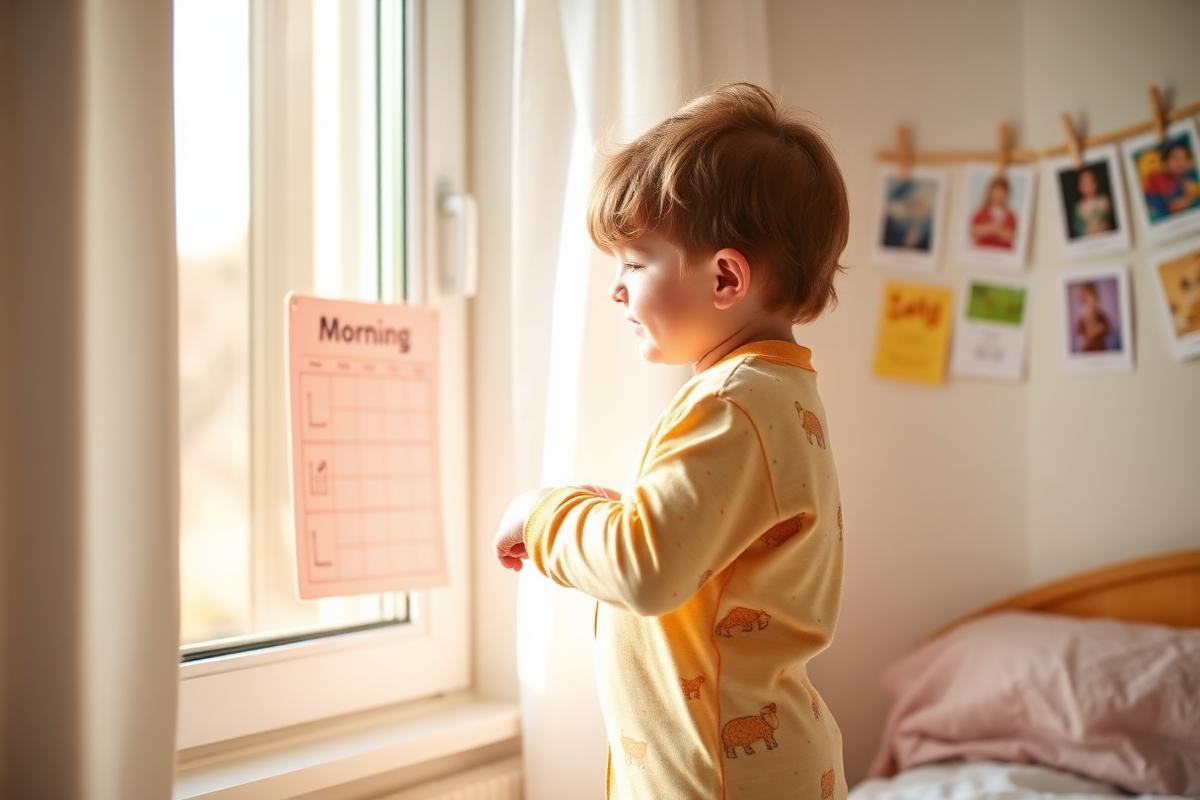
If bedtimes and wake-ups drifted over the holidays (they almost always do), move them back gradually — about 15–20 minutes a day — instead of changing everything the night before. It avoids exhausted, extra-irritable kids in week one.
2
⏰
Restart the routine before day one
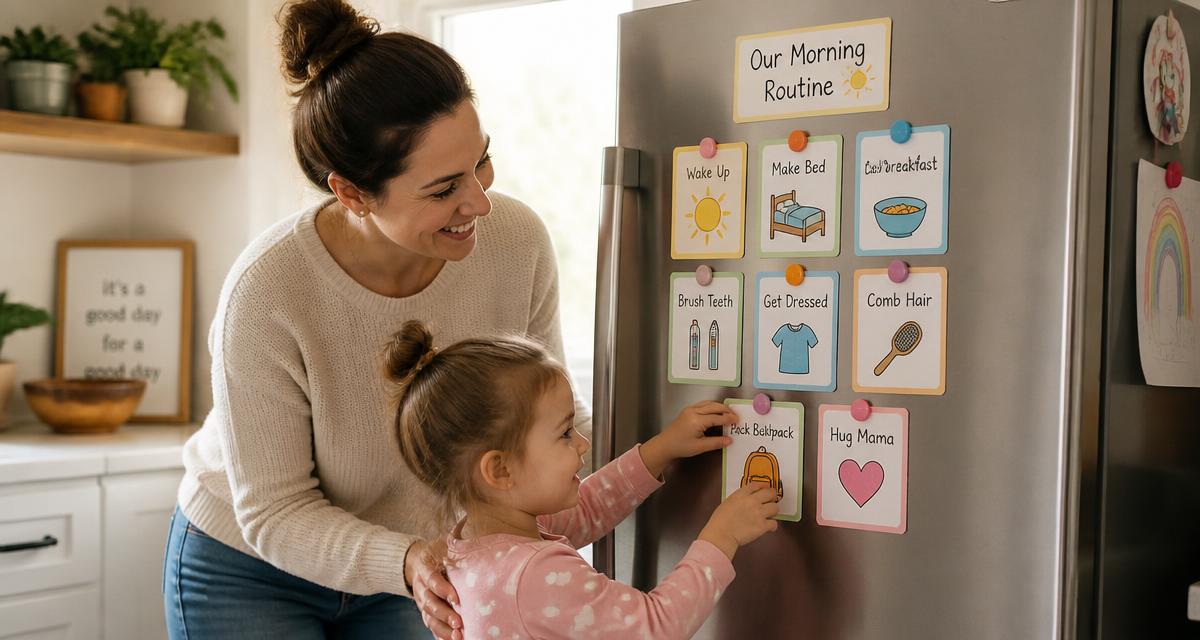
Don't wait for the first bell to reintroduce set meal, bath and bedtime hours. Run the “school day” routine 3 to 4 days early so body and mind are already adjusted when classes actually begin.
3
💬
Talk about what to expect
Young children handle change better when they know what's coming. Keep it simple: who's dropping them off, what's in the lunchbox, who will probably be in their class. For little ones, playing “pretend it's the first day” helps process the anxiety.
4
🎒
Involve them in the prep
Letting them pick the backpack, pencil case or lunchbox (from options you approve) gives a sense of control over something that feels uncertain. Same goes for sorting supplies together, labelling things and choosing the outfit the night before.
5
💛
Validate feelings without minimizing
It's tempting to say “it's no big deal”. But naming the feeling — “I know saying goodbye is hard, you'll miss me” — helps far more than convincing a child they shouldn't feel what they feel. After validating, remind them they'll be okay and you're coming back.
6
👋
Create a short, consistent goodbye ritual
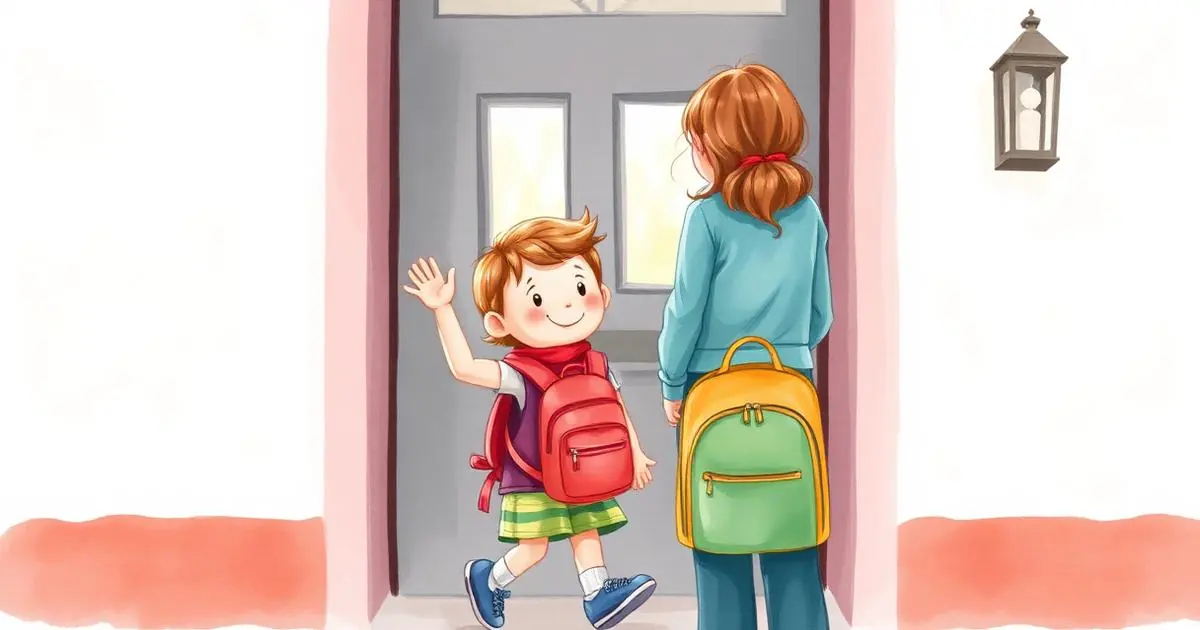
Long goodbyes usually increase anxiety rather than easing it. Agree on something simple — a hug, a specific phrase, a secret handshake — and keep it identical every day. Predictability soothes more than any long explanation at the school gate.
7
🫂
Protect reconnection time after school
Many kids hold their emotions together all day and let go the moment they see you — the so-called after-school restraint collapse, which is expected and not a red flag. Keep the first 15–20 minutes for calm connection before homework or tidying.
8
❓
Go easy on the questions
“How was school?” almost always gets “fine” or “I don't know”. Specific questions work better: “what was the funniest part of the day?”, “who did you sit with at lunch?”, “was there any annoying moment today?”.
9
🌱
Give it time — adjustment isn't linear
Good days and hard days are normal in the first two or three weeks. Small setbacks (tantrums, tears, resistance) are usually part of the expected re-adaptation process, not a warning sign.