
2-3 years
11 to 14 hours a day, including a 1-2 hour nap. Bedtime tends to fall between 7pm and 8:30pm. This stage often brings the classic "limit-testing": asking for water, getting out of bed, calling for parents repeatedly.
If bedtime at your house feels like a diplomatic negotiation every single night, you're not alone. A well-built bedtime routine — predictable, calm, and age-appropriate — is the single most powerful tool for turning that moment into connection instead of conflict.

Kids' sleep isn't a switch that flips on and off — it's a gradual process of the body and mind slowing down. When we don't give that transition enough time, a child arrives at bed still wound up, and the result is usually crying, resistance, or endless requests for one more glass of water, one more story, five more minutes.
A consistent bedtime routine for kids works like a biological cue: repeated night after night, it tells the brain that sleep time is coming, helping regulate the internal clock (circadian rhythm) and the natural release of melatonin. Kids with predictable routines tend to fall asleep faster, wake less at night, and feel less anxious about going to bed.
The good news is that it doesn't need to be elaborate. An effective bedtime routine for kids lasts 30 to 45 minutes, has just a few fixed steps, and follows the same order every day — including weekends, whenever possible.
There's no single magic formula, but most children's sleep experts recommend a structure similar to this one, adapted to your child's age and personality:
Sleep needs change a lot between ages 2 and 7. These numbers include nighttime sleep and, where applicable, daytime naps:
11 to 14 hours a day, including a 1-2 hour nap. Bedtime tends to fall between 7pm and 8:30pm. This stage often brings the classic "limit-testing": asking for water, getting out of bed, calling for parents repeatedly.
10 to 13 hours a day. Many kids drop the daytime nap in this range, which may mean moving bedtime a bit earlier to compensate. A vivid imagination also brings nighttime fears more often.
9 to 12 hours a night, usually without a nap. The school routine helps anchor schedules, but extracurricular activities and screens increasingly compete for time before bed.
Blue light from screens (phones, tablets, TV) suppresses melatonin production and keeps the brain alert — exactly the opposite of what you want before sleep. Beyond the effect of light itself, the content (fast-paced cartoons, games, short stimulating videos) keeps a child mentally switched on.
Most pediatricians recommend turning off all screens 60 to 90 minutes before bed. Replace that time with calm activities: a puzzle, drawing, soft music, or simply talking. If screen time is part of the family's earlier evening routine, that's fine — the important part is that it isn't part of the last steps of the bedtime sequence.
It also helps to take care of the environment: a dark room, no blinking device lights, and a comfortable temperature all support quality sleep at any age.
Three situations that show up in almost every home — and how to handle each without turning it into a battle:
Offer small choices within the routine ("do you want the dragon story or the princess story?") to give your child a sense of control without giving up the structure. Keep your tone calm and firm, without negotiating the bedtime itself.
Water, one more trip to the bathroom, a monster under the bed, one more kiss: these are normal developmental requests, not manipulation. Handle basic needs before the routine starts (a water cup already on the nightstand) and set a clear, repeated limit: "we already took care of that, now it's time to sleep."
Common up to ages 5-6, especially after nightmares or routine changes. Respond calmly and briefly, avoid turning on bright lights or starting long conversations, and help your child return to sleep in their own room whenever it's safe to do so.
Young children can't read a clock yet, but they understand visual sequences very well. A bedtime routine chart with icons or drawings (bath, pajamas, brushing teeth, story, lights out) helps a child anticipate each step and gain independence — they can check off or point to what's already done.
Stick the chart somewhere visible in the bedroom, at your child's eye level, and always follow the same order of images. Within a few weeks, the routine stops depending on you repeating instructions and starts being led, in large part, by the child themselves — which greatly reduces resistance.
If you want to get started today, momsnet has a free tool to build that chart in a simple way, with no drawing required.
This content is informational and does not replace professional evaluation. If your child has persistent sleep difficulties, snoring, breathing pauses, or intense distress at bedtime, seek guidance from a pediatrician.
Tools and reads from momsnet for calmer nights.
More reading on the same topics.

Sleep hours by age (0–8), signs of not sleeping enough, a four-step bedtime routine and what to do about night wakings.
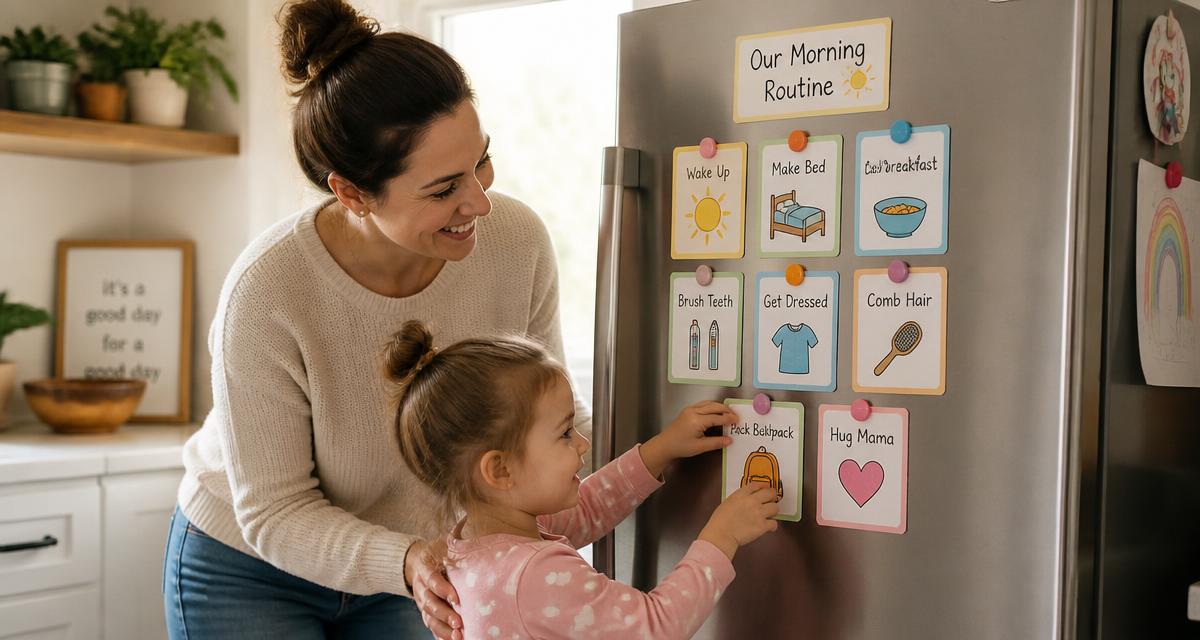
The pillars of the day, schedules by age, 5 steps to build yours, what to do when your child resists, and a free printable routine chart.

Sleep, routine, a short goodbye ritual and reconnection time — a lighter back-to-school for everyone.
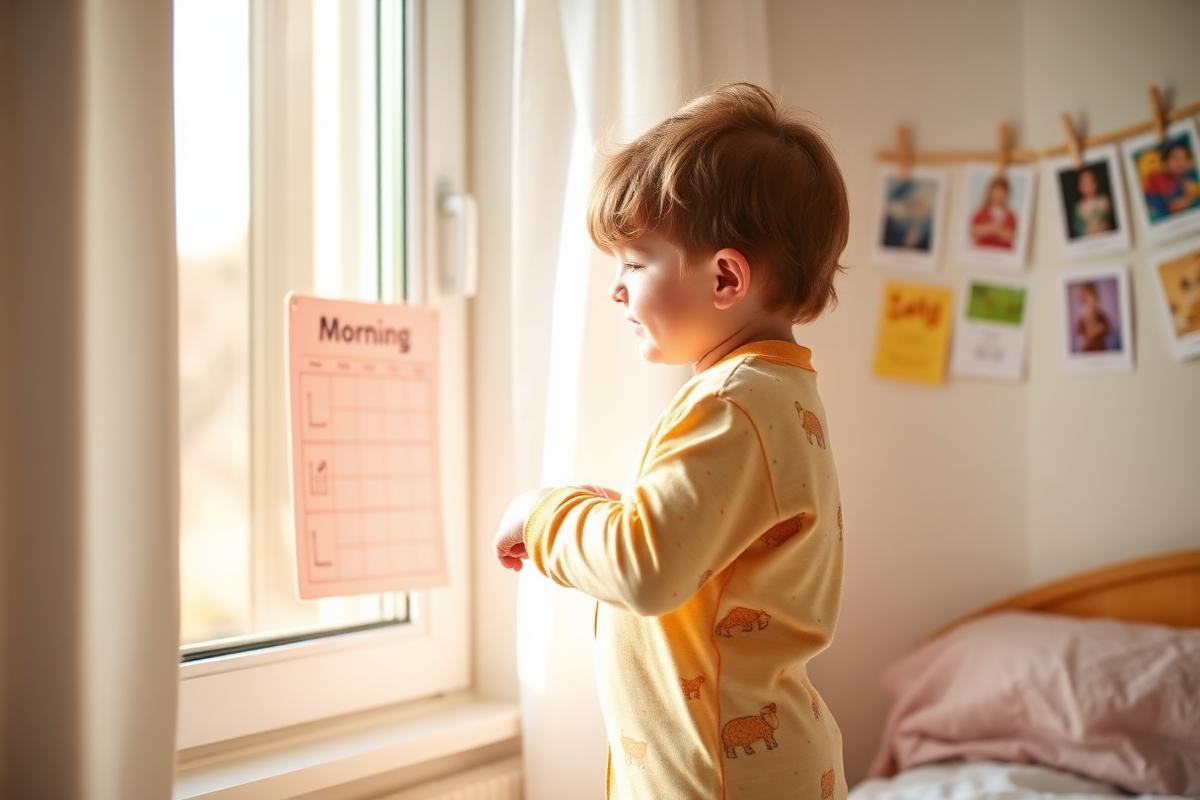
How to build a calm school morning with no yelling and no rushing: step by step by age, realistic timings and a free visual routine chart.
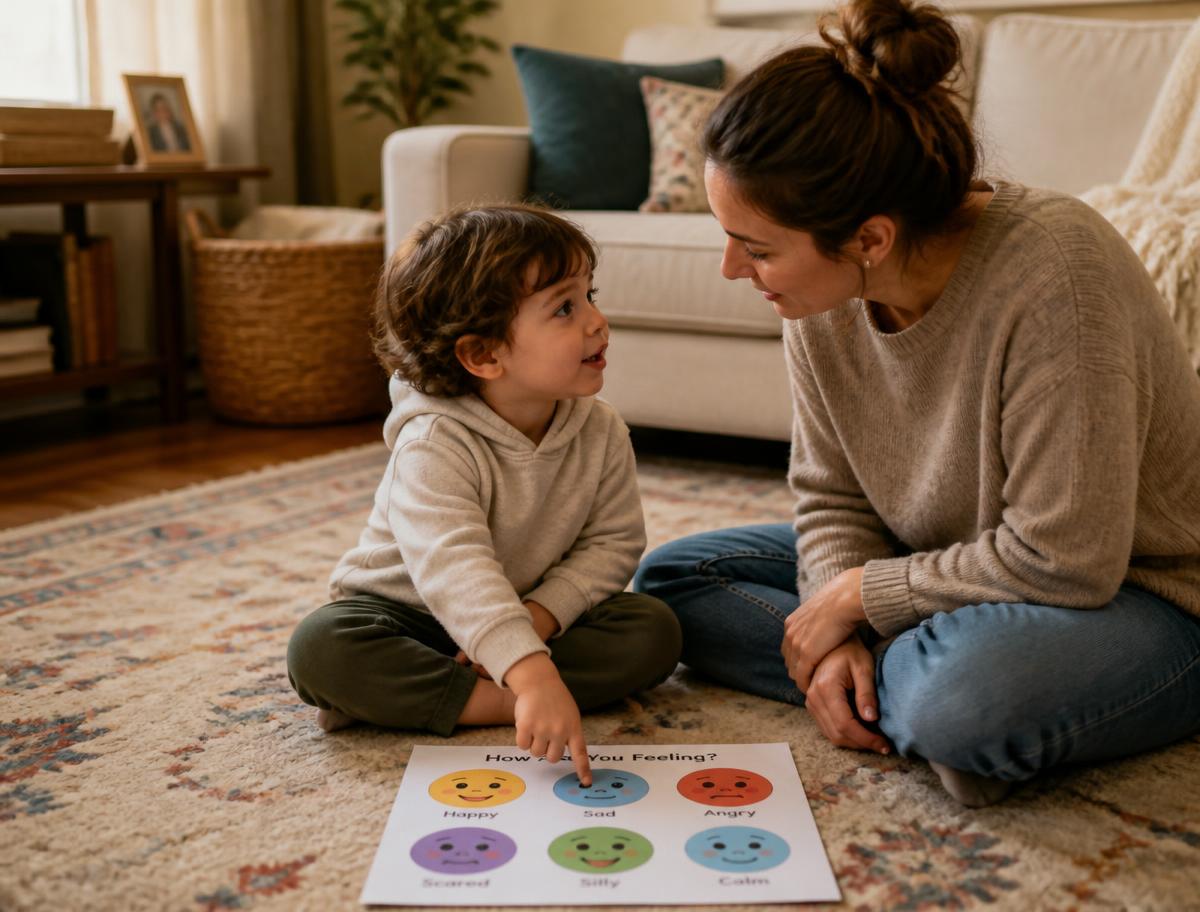
The five social-emotional competencies, seven simple daily habits and the free momsnet tools to practise today.
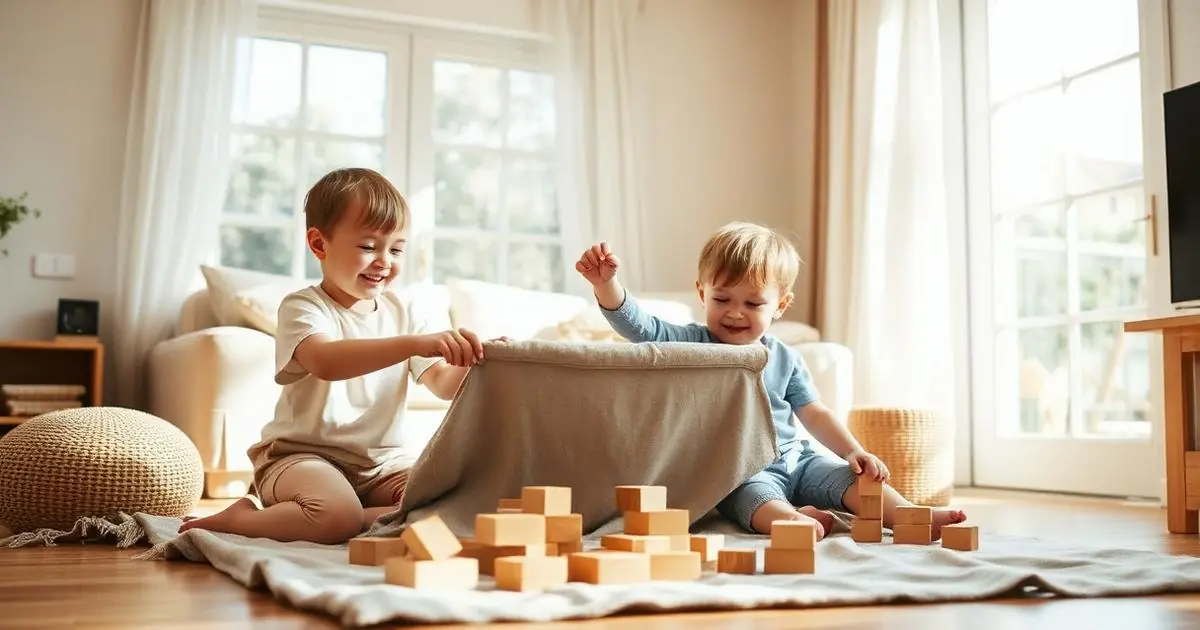
Why boredom isn't the enemy, what each kind of play teaches, and how to balance the week by age (1–8).

Routines give kids security. Learn how to build one without rigidity or guilt.
Motor, language, cognitive and social milestones stage by stage — with clear red flags and what to do at home, no comparisons.
Sem spam. Só ideias boas para você e seu pequeno.