
Start with play
Puzzles, blocks, board games, memory, dominoes and cards ask children to plan, predict and adjust. Even pretend play involves logic.
Watch a four-year-old try to fit a square block into a round hole. First comes the push, then the frown, then the pause. That pause is where something remarkable happens: the child begins to compare shapes, test ideas, and draw a conclusion. It looks like play, and it is. But it's also the beginning of logical thinking, one of the most valuable skills a person can develop.
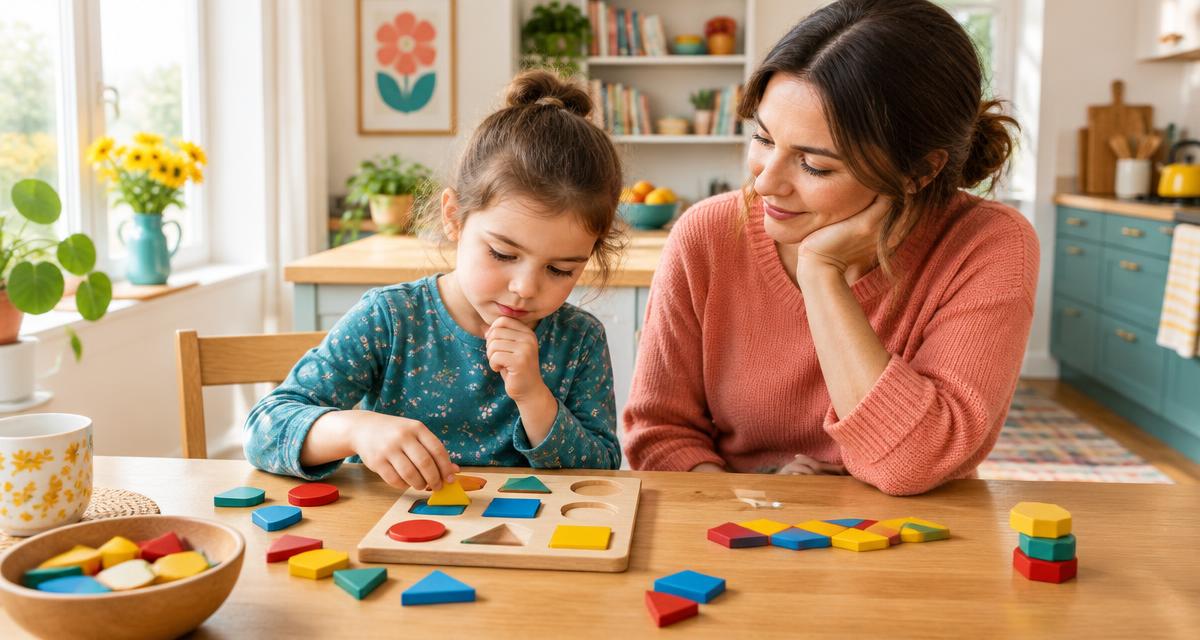
Logical thinking is the ability to reason step by step: to notice patterns, connect causes with effects, compare options, and reach conclusions that make sense. It's not only about math or puzzles. It's what a child uses when they figure out that if they leave their bike in the rain, it will rust, or that sharing a toy now might mean a friend shares later. It's the mental habit of asking “why?” and “what happens if…?” and then actually working toward an answer.
Children's brains are extraordinarily adaptable in the early years. The connections that form through repeated experience become the foundation for how they'll approach problems later in life. A child who regularly practices sorting, sequencing, predicting, and explaining is building mental pathways that make these skills feel natural rather than effortful.
There's also a matter of attitude. Young children haven't yet learned to be afraid of getting things wrong. They'll try a solution, watch it fail, and try another with remarkable cheerfulness. Nurturing logical thinking at this stage lets it grow alongside curiosity instead of against anxiety, so reasoning becomes something enjoyable rather than a school subject to dread.
Of course, logical thinking supports academic success. It underpins mathematics, science, reading comprehension, and writing, since understanding a story means following its sequence and grasping why characters act as they do. But the benefits don't stop at report cards.
Children who reason well tend to become better problem-solvers in everyday life. When a tower of blocks keeps falling, they look for the reason instead of giving up. As they grow, this becomes the teenager who can weigh the consequences of a decision, and eventually the adult who can evaluate a job offer, a financial choice, or a news headline with a clear head.
Logical thinking also supports emotional and social growth. A child who can think through a conflict (“She's upset because I took her crayon without asking”) is better equipped to resolve it. Reasoning gives children tools to understand other people's perspectives and to express their own needs clearly.
And in a world overflowing with information, much of it misleading, the ability to ask “How do we know that?” may be one of the most protective skills we can give the next generation.
The good news is that none of this requires expensive programs or special equipment. Everyday life is full of opportunities.
Puzzles, blocks, board games, memory, dominoes and cards ask children to plan, predict and adjust. Even pretend play involves logic.
Try asking, “What do you think would happen?” or “Why do you think the ice melted?” Ask your child to explain how they reached an answer.
Sorting laundry, setting the table, measuring ingredients and organizing toys build classification, counting and sequencing. Cooking is a lab for cause and effect.
Pause to ask what might happen next or why a character made a choice. Mystery stories and riddles are especially fun for older children.
A little productive difficulty is where learning happens. Celebrate effort and the thinking process, not only the correct result.
Stimulating logical thinking doesn't mean turning childhood into a nonstop training session. Children also need unstructured time, imagination, emotional connection, and plenty of rest. Creativity and logic work best together: the most inventive solutions often come from a mind that can both dream freely and reason carefully. The goal isn't to raise little calculators, but curious, capable thinkers.
The square block will eventually find the square hole. The child will move on to jigsaw puzzles, then to math problems, then to questions about fairness, science, and the world. Each step builds on the last.
By encouraging logical thinking early, with patience, playfulness, and genuine interest in how children reason, we give them something that lasts far longer than any toy: the confidence that when they face a problem, they can think their way through it.
This content is informational and does not replace professional assessment. If you have concerns about your child's development or learning, consult a pediatrician or another qualified professional.
Activities and ideas for learning through play.
More reading on the same topics.
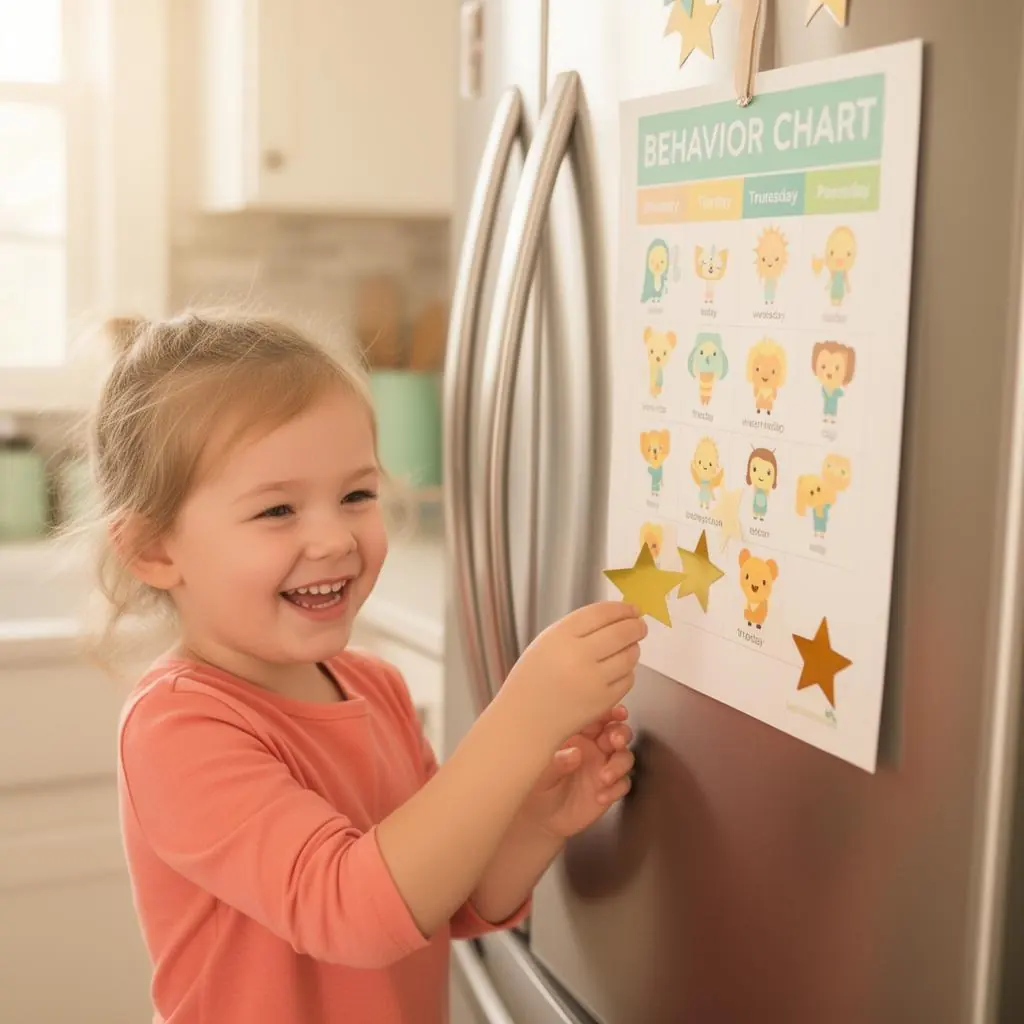
Behavior charts reinforce positive attitudes and help kids remember their tasks. Learn how to use them every day.
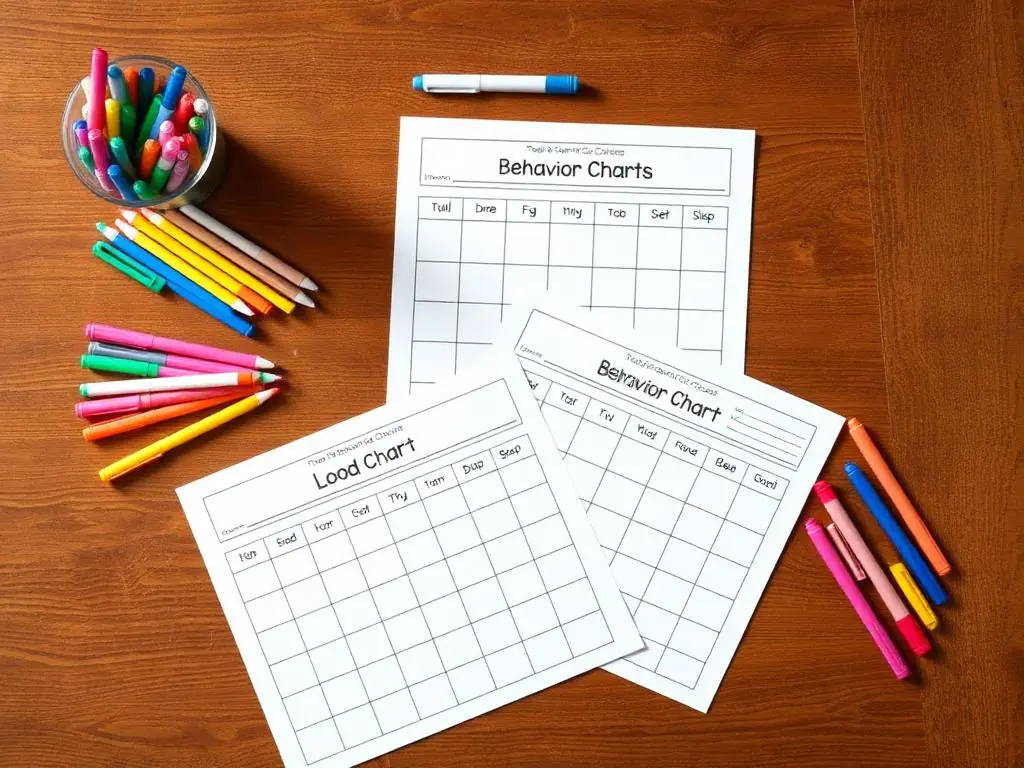
Weekly, point-based, rewards or potty training — find the chart that fits your child best.
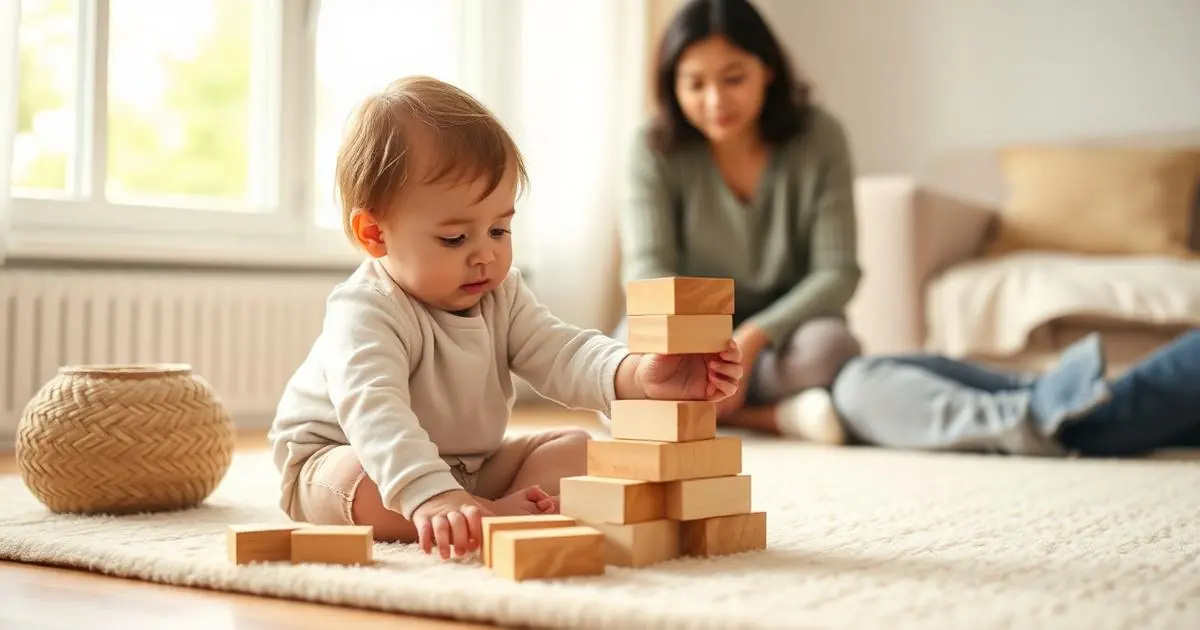
Motor, language, cognitive and social milestones stage by stage — with clear red flags and what to do at home, no comparisons.
By stage and goal: tracing, syllables, reading and more — simple, playful ideas for home and school.

Sleep hours by age (0–8), signs of not sleeping enough, a four-step bedtime routine and what to do about night wakings.

What really works at age 3: coloring, tracing, matching and visual perception — with practical routine tips.

The four steps that work in almost any meltdown, ready-made phrases for hard moments and what to avoid — ages 2 to 8.

Practical ideas by skill — literacy, math, coordination and attention — easy to apply at home.
Sem spam. Só ideias boas para você e seu pequeno.