
Self-awareness
Noticing and naming feelings, at the right size and intensity.
“He gets upset and can't explain why.” “She cries at the school gate and says her tummy hurts.” Social-emotional development has become the top priority in early childhood education — and the most powerful place to grow it isn't school. It's your home.
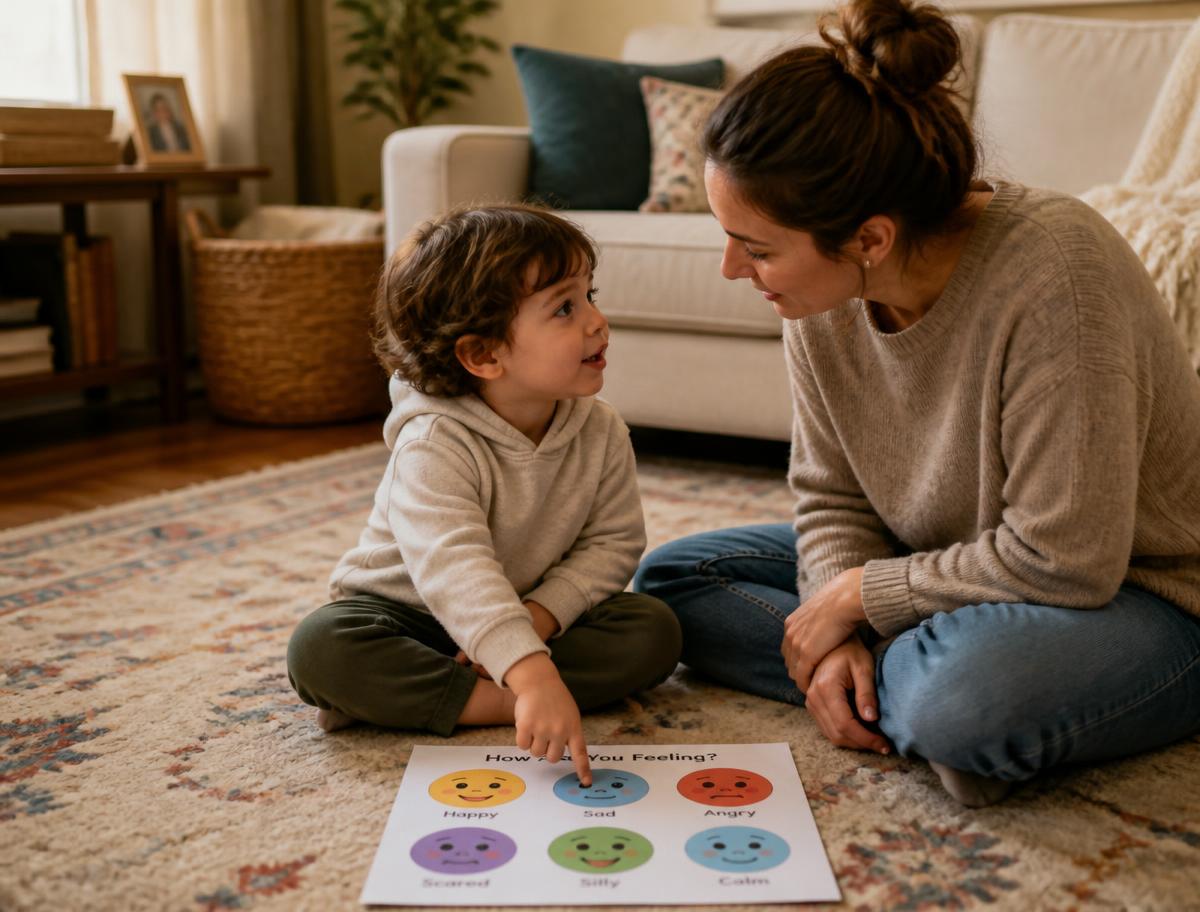
There's a phrase researchers love: name it to tame it. When a child can say “I'm frustrated because my tower fell”, the thinking part of the brain steps in and helps settle the storm. A feeling with a name gets smaller, more manageable, less frightening. A feeling without a name turns into what parents know well: meltdowns, crying “out of nowhere”, mystery tummy aches, hitting.
Emotional vocabulary is a skill — and like every skill, it's taught and practised. Kids start with the basics (happy, sad, angry, scared) and gain nuance over time: frustrated, anxious, embarrassed, proud, disappointed, jealous, homesick. The more words they have, the less they need to “speak” with their body, their shouting or their silence.
None of these need extra time — they all fit into moments your routine already has:
Every momsnet tool is free, needs no sign-up, and works on a phone or printed out.
For the daily check-in: kids log their mood visually and find breathing activities.
For the intensity scale: how much they feel it, and what to do at each “temperature”.
For predictability: build the week, print it and hang it at their eye level.
For autonomy: age-by-age suggestions with achievement stickers and positive reinforcement.
For choices and consequences: the routine as a story where the child picks the path.
Printable charts that focus on what went well — far more effective than pointing out what didn't.
Being scared, having sad days and blowing up now and then is part of growing up. But if anxiety or insecurity gets too big — disrupting sleep, eating, school or friendships for weeks on end — talk to your pediatrician or a child psychologist.
Asking for professional help isn't a sign that something “went wrong” in your parenting; it's one more way of caring, and the earlier, the lighter the road.
Informational content; not a substitute for professional assessment. Persistent anxiety or insecurity deserves a conversation with a pediatrician or child psychologist.
Free momsnet resources you can use today.
Log the mood of the day and spot patterns together.
Ver mais →Measure intensity and pick a strategy for each level.
Ver mais →Build a visual weekly routine and print it in minutes.
Ver mais →A choices-and-consequences game built on daily routines.
Ver mais →The step-by-step for connecting and regulating mid-meltdown.
Ver mais →More reading on the same topics.

A 30-45 minute wind-down sequence, sleep hours by age, screens before bed, bedtime resistance and night waking.

Why boredom isn't the enemy, what each kind of play teaches, and how to balance the week by age (1–8).

Ten phone-free minutes, naming feelings, praising effort and saying sorry: 10 small habits that really do add up.

The four steps that work in almost any meltdown, ready-made phrases for hard moments and what to avoid — ages 2 to 8.

Naming feelings is the first step to regulating emotions. Simple ideas to start today.

Motor, language, cognitive and social milestones stage by stage — with clear red flags and what to do at home, no comparisons.

Sleep hours by age (0–8), signs of not sleeping enough, a four-step bedtime routine and what to do about night wakings.
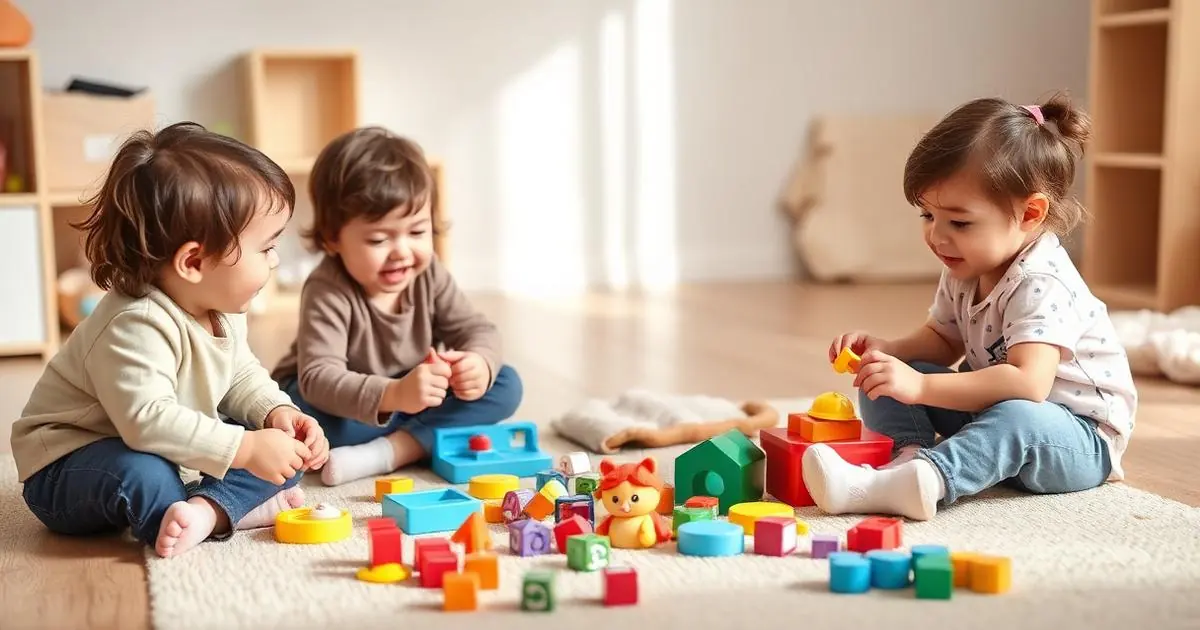
Why sharing only clicks after age 3, how to mediate conflict without playing judge, and what to do about shyness and biting — ages 1 to 7.
Ready-made cards for Instagram/Facebook and Twitter/X: download the image, copy the text, post.
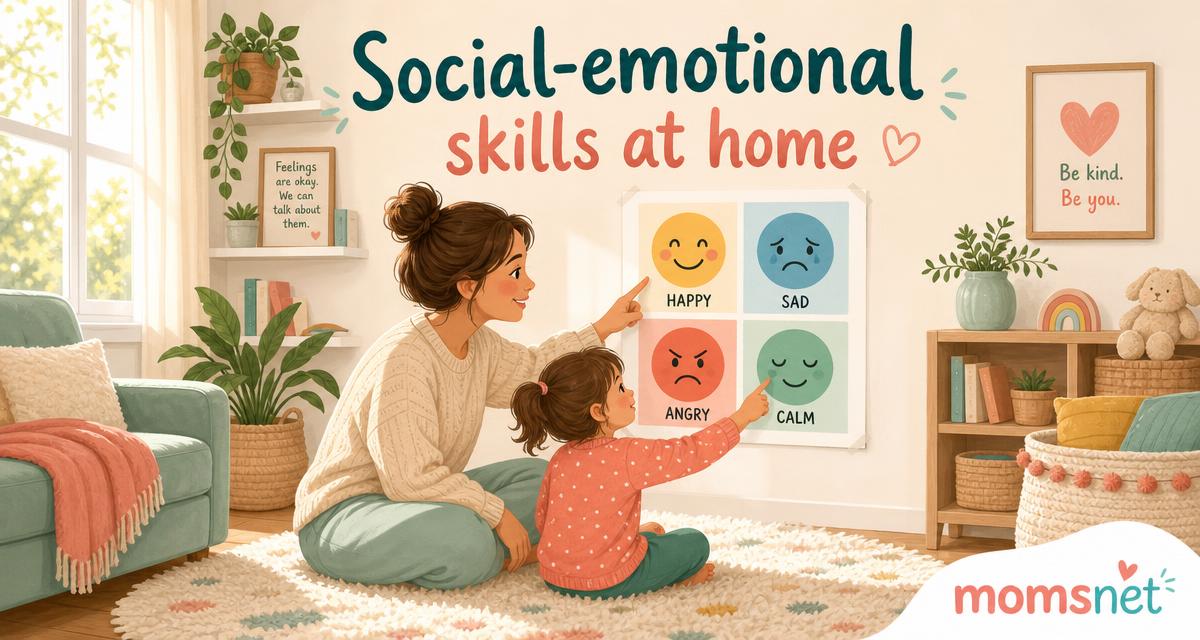
Long caption with a call to action and hashtags.
Want to help your child name what they feel without turning your home into a therapy session? 🧠💚 momsnet has a full guide (and free tools) to build social-emotional skills at home — 5 competencies, 7 simple habits and activities that fit your routine. 👉 Read it: www.momsnet.com.br/en/blog/social-emotional-skills-at-home #socialemotionallearning #emotionalintelligence #kids #routine #childdevelopment #momsnet
Short text, within the character limit.
Raise kids who can name what they feel. 🧠💚 Simple habits and free tools from momsnet: https://www.momsnet.com.br/en/blog/social-emotional-skills-at-home
Sem spam. Só ideias boas para você e seu pequeno.