
1. Learning how to learn
Facts will keep changing; the ability to pick up something new won't go out of date. Kids who know how to ask questions, find good sources, and practice will keep growing long after school ends.
If we can't prepare our kids for a specific future, we can prepare them for any future. What we've learned about resilience, and the seven skills that will matter whatever comes.
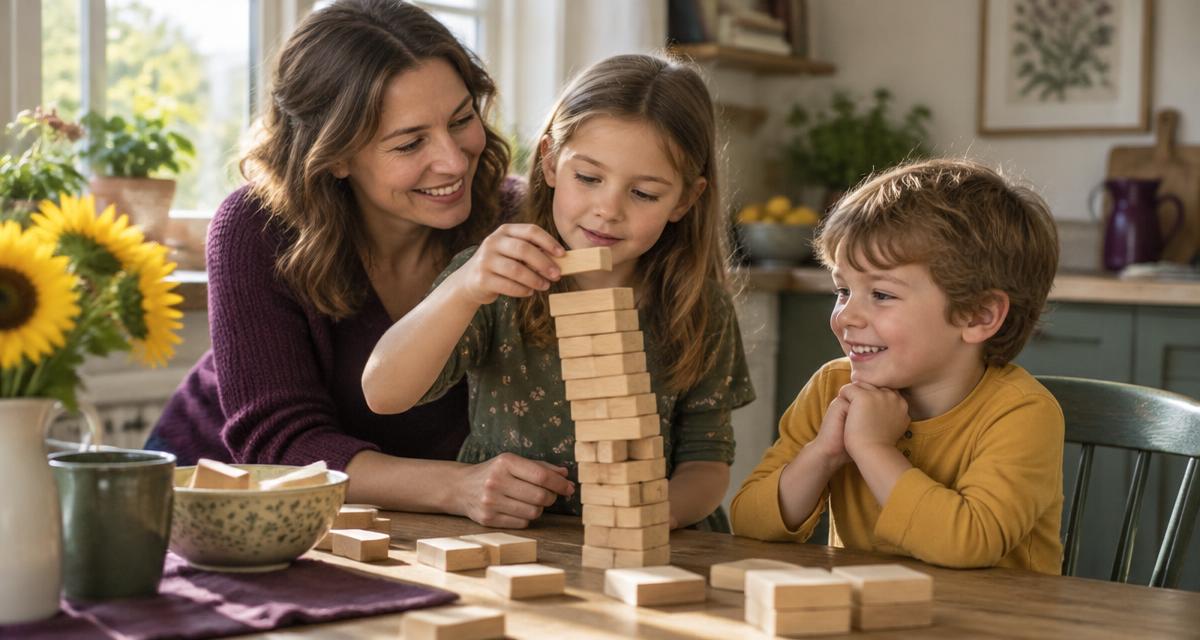
The other night, after the kids were asleep, my husband and I got into one of those conversations that starts small and keeps growing. We were asking a simple question: what do our kids actually need to learn at school right now?
The honest answer is that we don't know what the world will look like when they grow up. The jobs they'll have may not exist yet. The tools they'll use haven't been invented. Some of what they memorize this year may be a tap away on a device by the time they graduate.
So we kept circling back to the same idea. If we can't prepare them for a specific future, we can prepare them for any future. That means raising kids who are resilient.
Most of us grew up with a clear script: study hard, get good grades, pick a career, and stay in it. That script assumed a fairly stable world. Our kids are growing up in a very different one.
The numbers back up what many parents feel in their gut. The World Economic Forum's Future of Jobs Report 2025 surveyed more than 1,000 employers in 55 economies. They expect changes equal to 22% of today's jobs by 2030, with 170 million new roles created and 92 million displaced.
What surprised me most was this: alongside AI and tech skills, employers named resilience, flexibility and agility among the skills growing fastest in importance. Creative thinking and curiosity with lifelong learning were on that list too. Even the people building the future are saying the human skills matter more, not less.
Resilience isn't about being tough or never getting upset. A resilient child still cries, still gets frustrated, still fails. The difference is that they recover, learn something, and try again.
It also isn't something kids either have or don't. Resilience is built, a little at a time, through small struggles that are hard but manageable. Every time a child works through a tricky problem, patches up a friendship, or survives a disappointing grade, that muscle gets a bit stronger.
That changes how I see our job as parents. Our goal isn't to clear every obstacle from their path. It's to stand beside them while they learn to climb over it.
By the end of our conversation, my husband and I had a list. None of these are tied to one job or one technology. They're the skills that help a person adapt to whatever shows up.
Facts will keep changing; the ability to pick up something new won't go out of date. Kids who know how to ask questions, find good sources, and practice will keep growing long after school ends.
Our kids are surrounded by information, and not all of it is true. They need to ask who made this, why, and how do I know it's right? That matters even more with AI-generated content everywhere.
Machines are getting good at answering questions. People will still be needed to ask the right ones and imagine new solutions.
Naming feelings, calming down, and bouncing back from frustration are the foundation of resilience. A child who can handle a hard moment can handle a hard future.
Empathy, teamwork, listening, and working through conflict are deeply human skills. They're also some of the hardest to automate.
Plans change. Kids who can shift gears without falling apart will feel less threatened by change and more curious about it.
This might be the most important of all. A curious child sees the unknown as interesting rather than scary, and that's exactly the mindset an uncertain future needs.
Schools matter, and the best ones already teach collaboration, projects, and social-emotional skills. But resilience is mostly built at home, in everyday moments. Here are a few things we're trying:
When we talk to teachers, we've also started asking different questions. How do they handle mistakes in class? Do kids get to work on open-ended projects? How do they help children who are struggling emotionally? The answers tell us a lot.
We still don't know what the future holds for our kids, and that's okay. What we do know is that a child who is curious, adaptable, kind, and able to get back up after a fall will find their way.
We can't hand them a map of a world that doesn't exist yet. But we can help them become the kind of people who know how to find their way without one.
I'd love to hear from other parents. What skills do you think matter most for your kids right now?
This article shares one mom's experience and opinion and doesn't replace professional advice. If you have concerns about your child's emotional development, talk to your pediatrician or school.
More ideas to support your child's development.
More reading on the same topics.
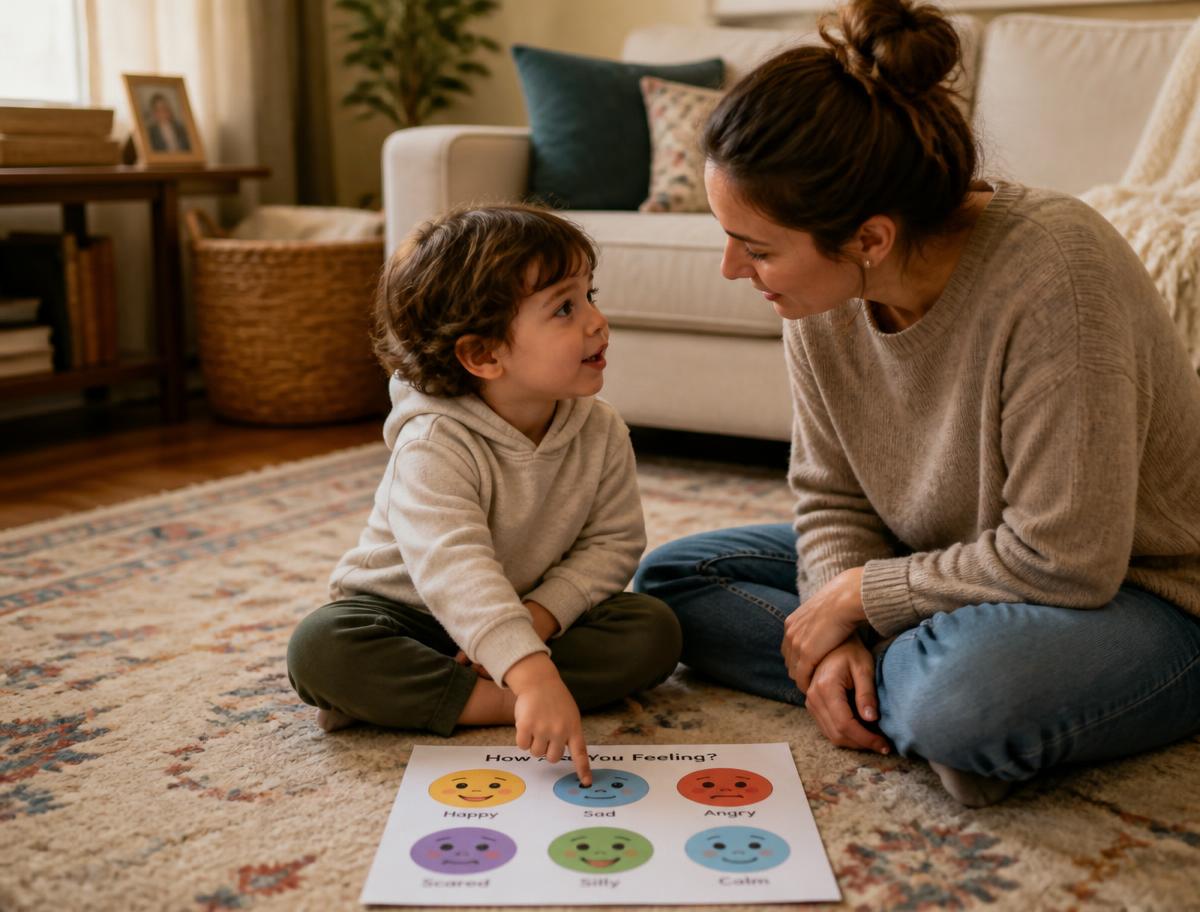
The five social-emotional competencies, seven simple daily habits and the free momsnet tools to practise today.

Coordination, focus and memory in 10-minute games for kids ages 4–10, with a weekly routine.
Motor, language, cognitive and social milestones stage by stage — with clear red flags and what to do at home, no comparisons.
Why sharing only clicks after age 3, how to mediate conflict without playing judge, and what to do about shyness and biting — ages 1 to 7.
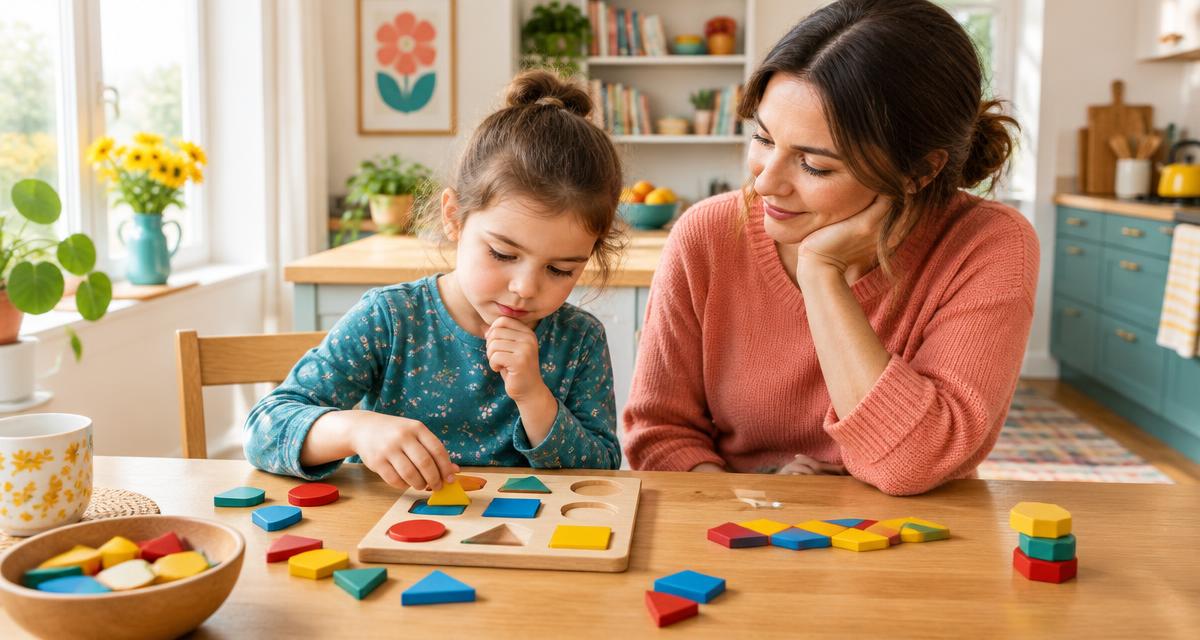
Play, conversations and household chores: simple ways to help kids compare, predict, explain and solve problems.
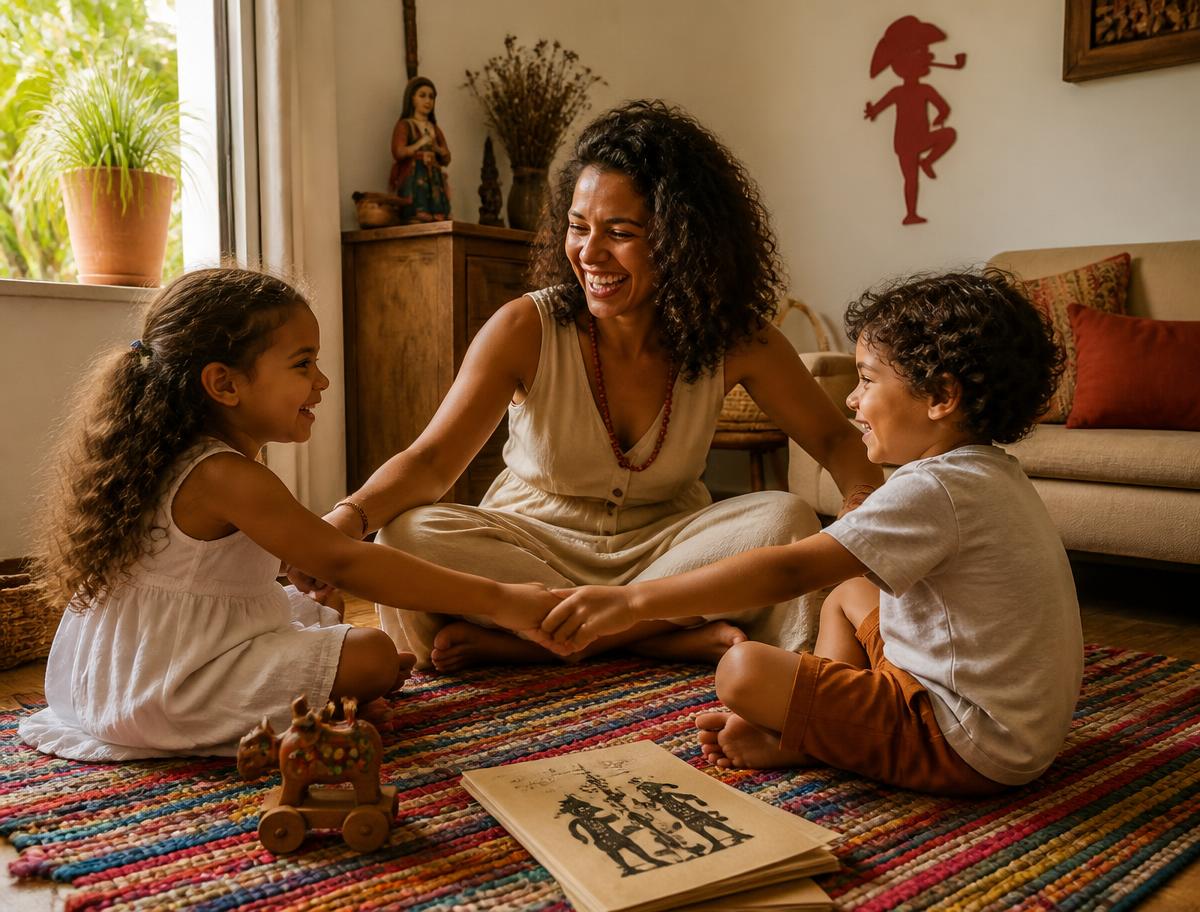
Circle songs, rhymes, tongue twisters and folk tales — and how to turn them into everyday speech and language practice, age by age.
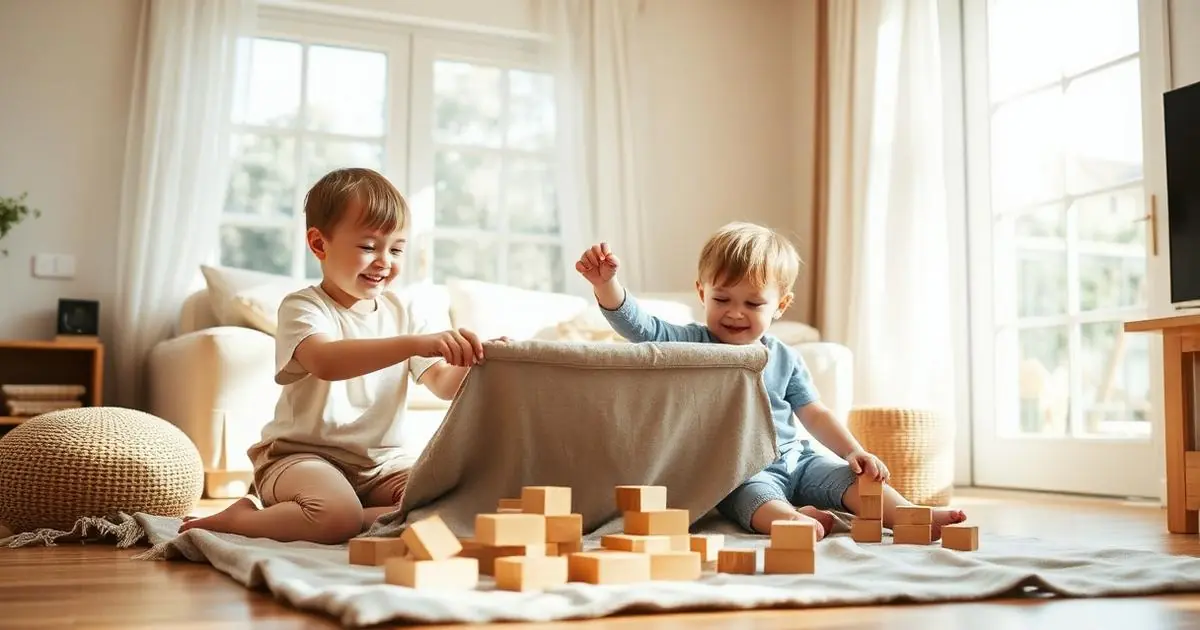
Why boredom isn't the enemy, what each kind of play teaches, and how to balance the week by age (1–8).
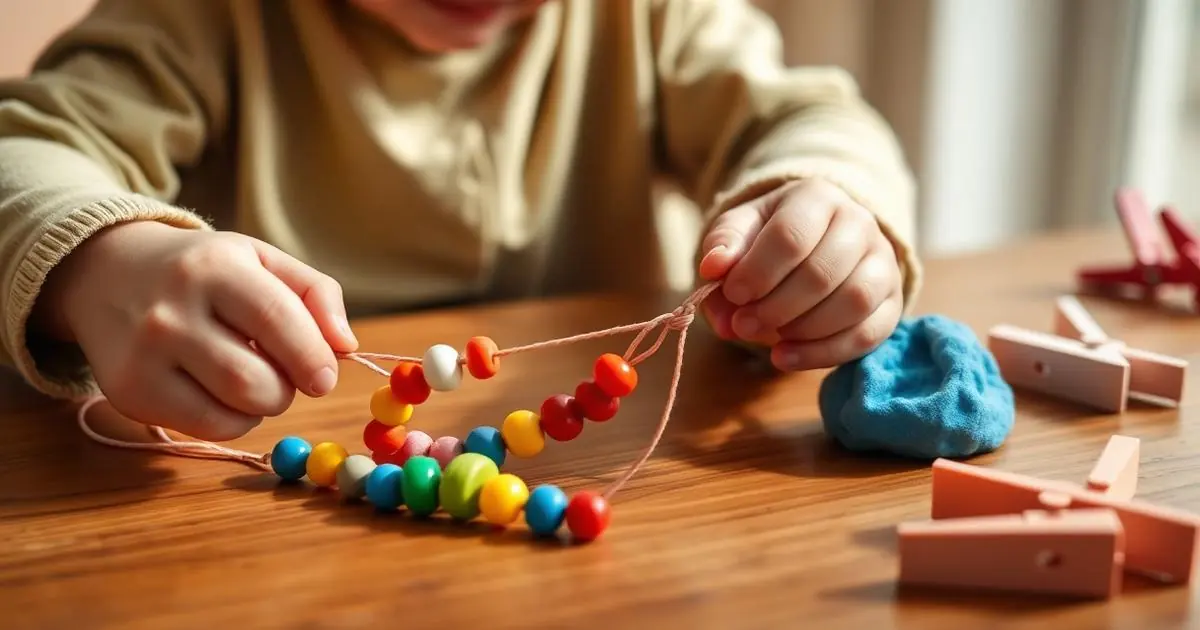
Age-by-age activities (1–6) and everyday tasks that build hand strength long before the notebook.
Sem spam. Só ideias boas para você e seu pequeno.